

Said to be the best Deaffest yet, the 16th edition from 8th – 10th May 2026 clocked up two important milestones, marking 20 years of the festival and featuring the 10th Deaf Film and Television Awards Gala.
Themed Sign in Style, the festival looked at the influence of costume and fashion in film, TV and the arts, bringing hundreds of people to Wolverhampton from all over the UK and Europe, and even as far away as the USA, Australia, China and Canada.
Sarah-Jane Meredith, Senior Manager, BFI National Lottery Audiences Projects: “We are delighted to be supporting Deaffest once again for their 2026 edition. Deaffest remains the leading UK Deaf film festival, providing Deaf audiences the opportunity to watch a diverse range of films from across the world, celebrating both Deaf filmmakers and Deaf culture. The festival clearly meets the aims of the BFI National Lottery Audience Projects Fund to ensure that everyone across the UK can access independent film.”
The Launch: Friday 8th May
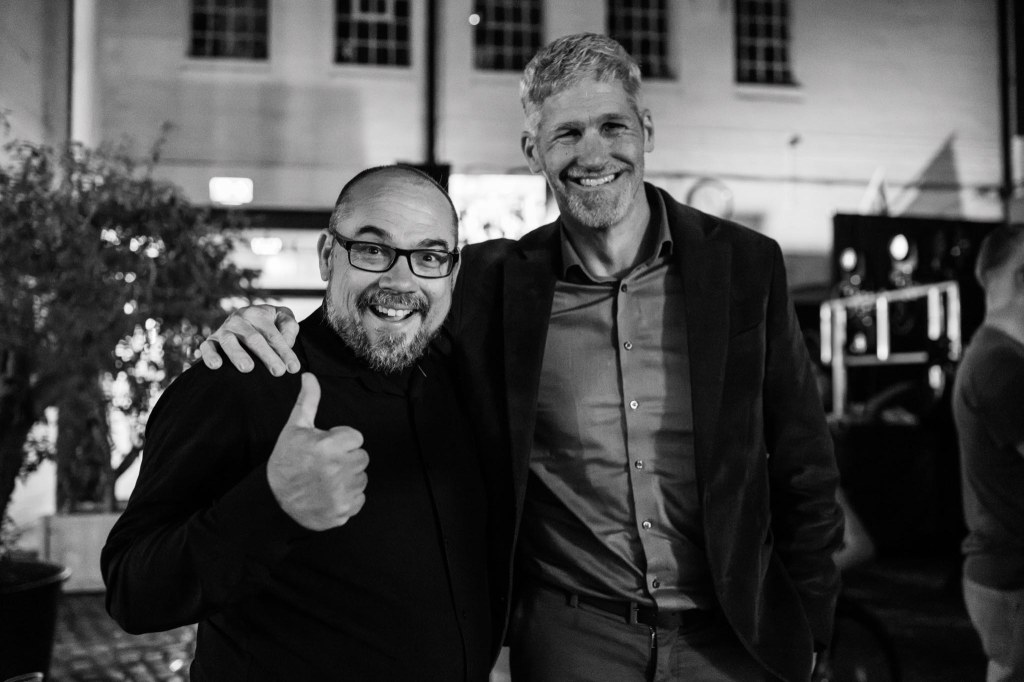
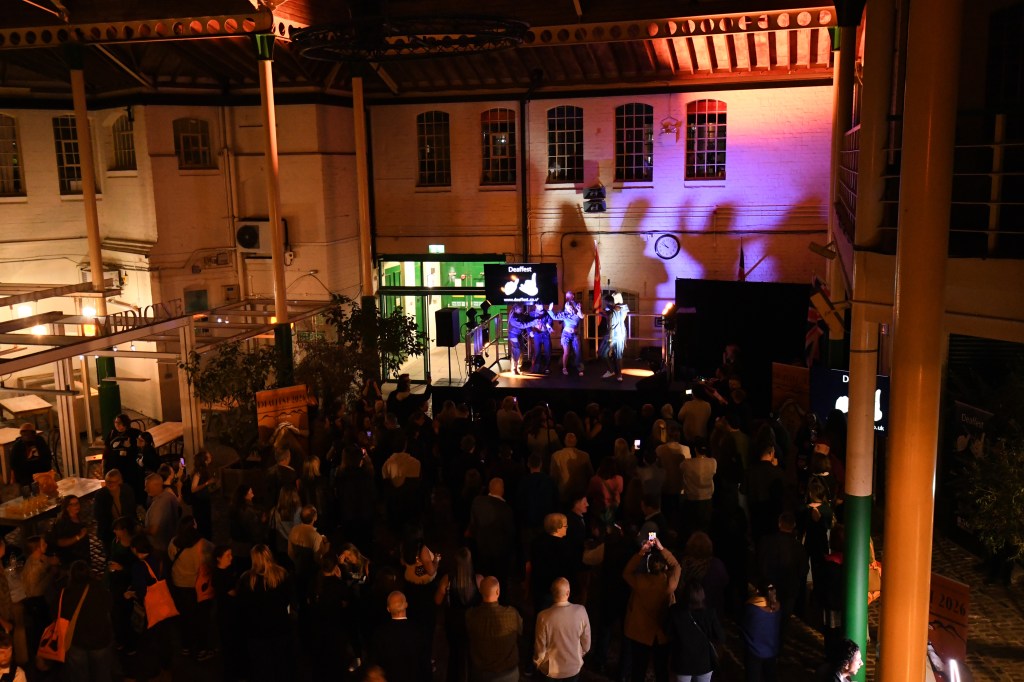
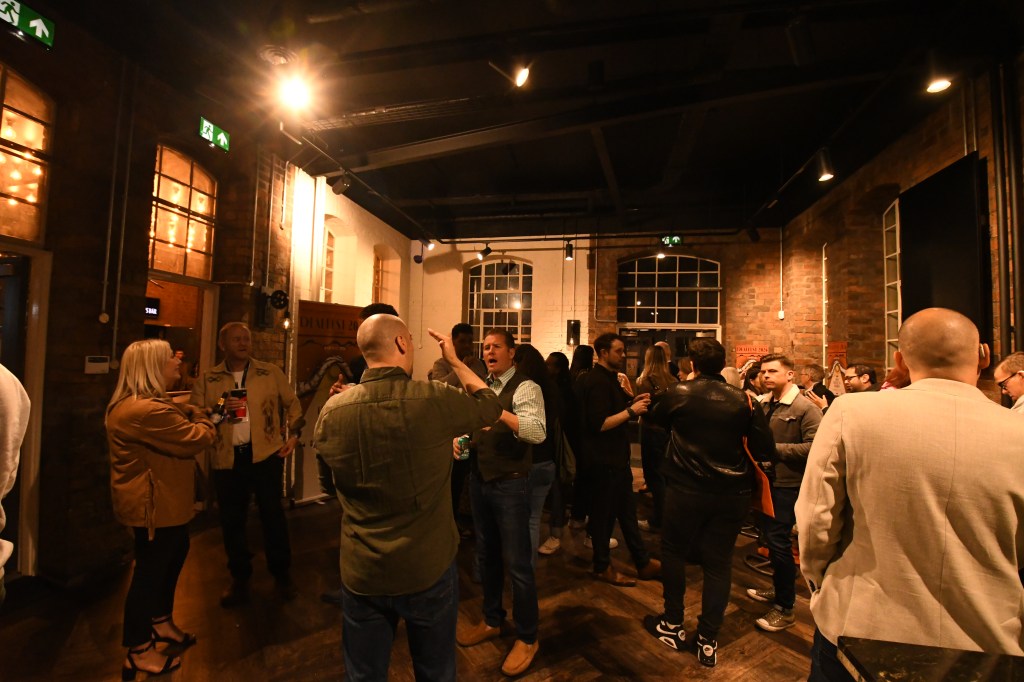
The weekend kicked off with the Sign in Style social networking event at the Lockworks cinema, formerly the Light House, which is now under new ownership. Many returning visitors said how happy they were to be back in the iconic glass-roofed building, which has been refurbished and now boasts luxury cinema seating, including sofas!
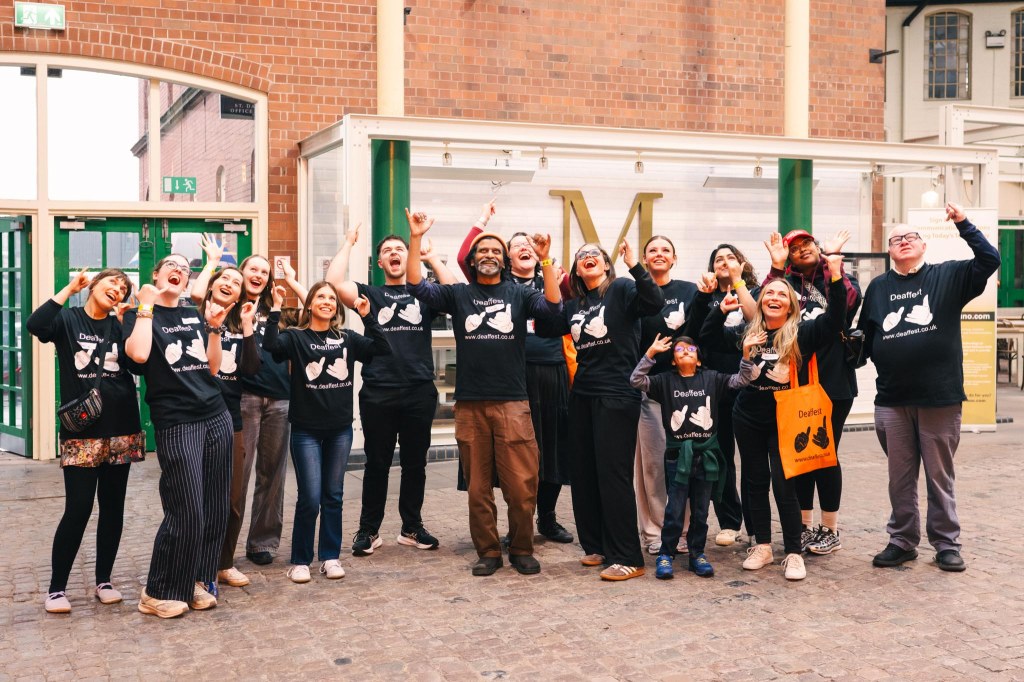
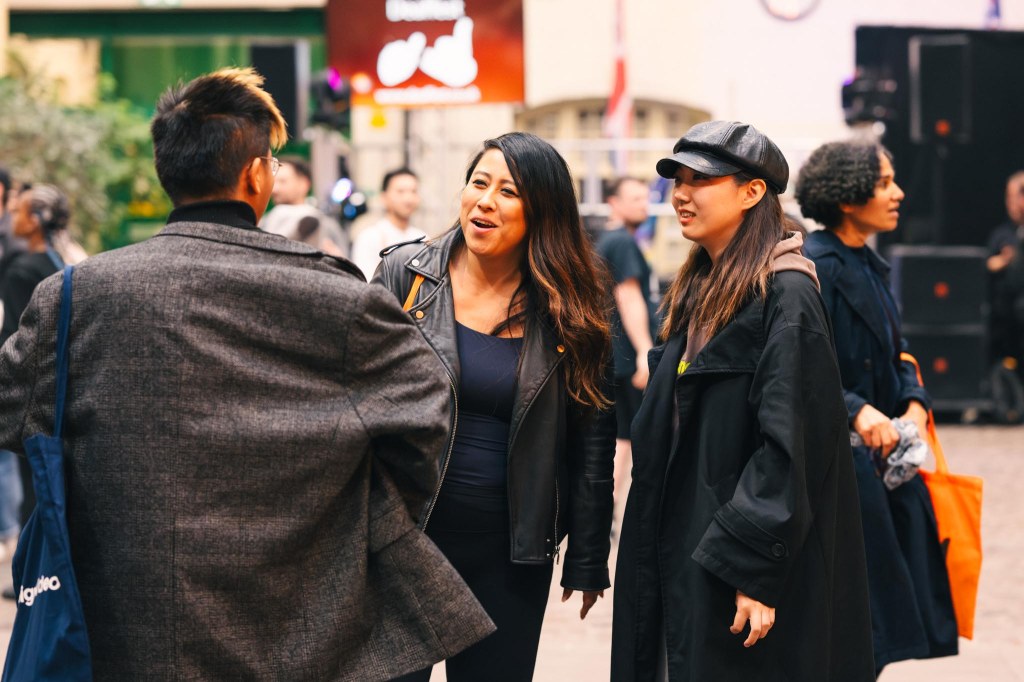
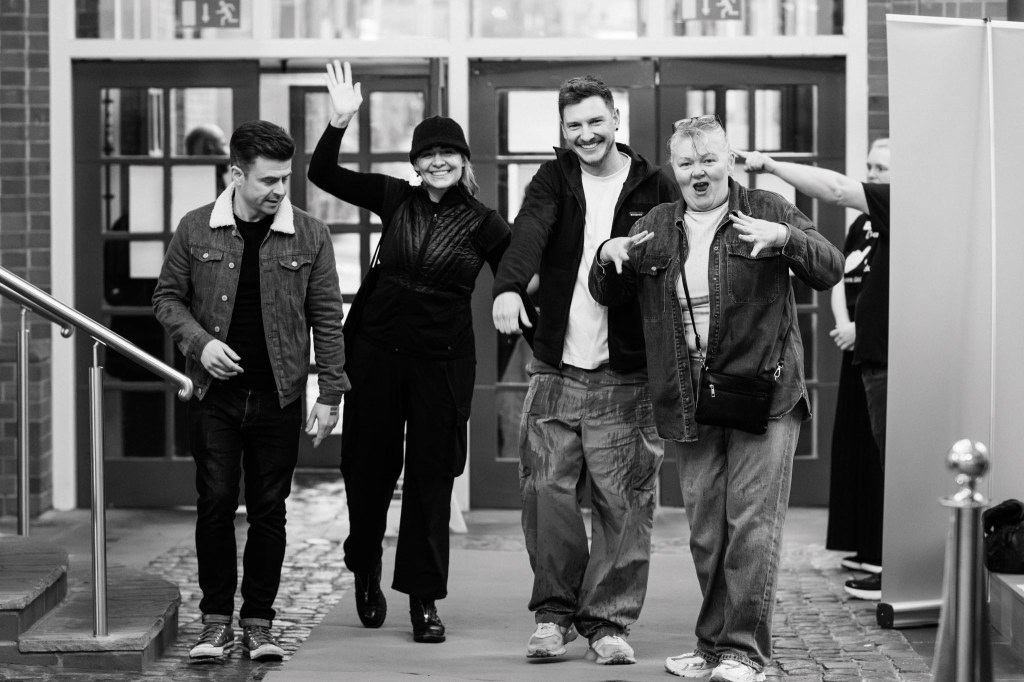
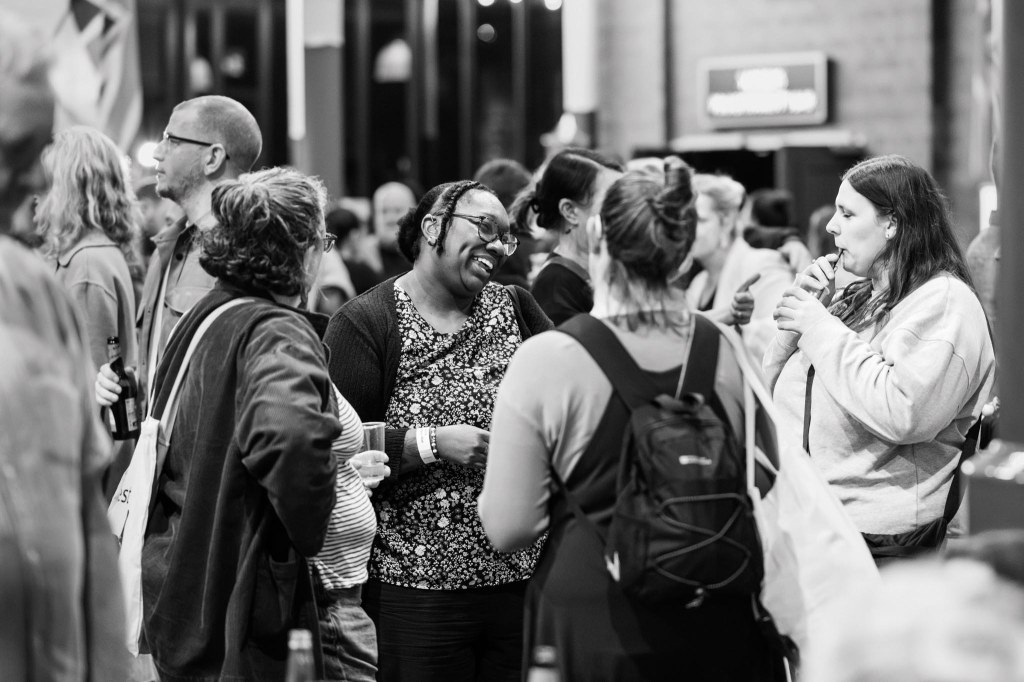
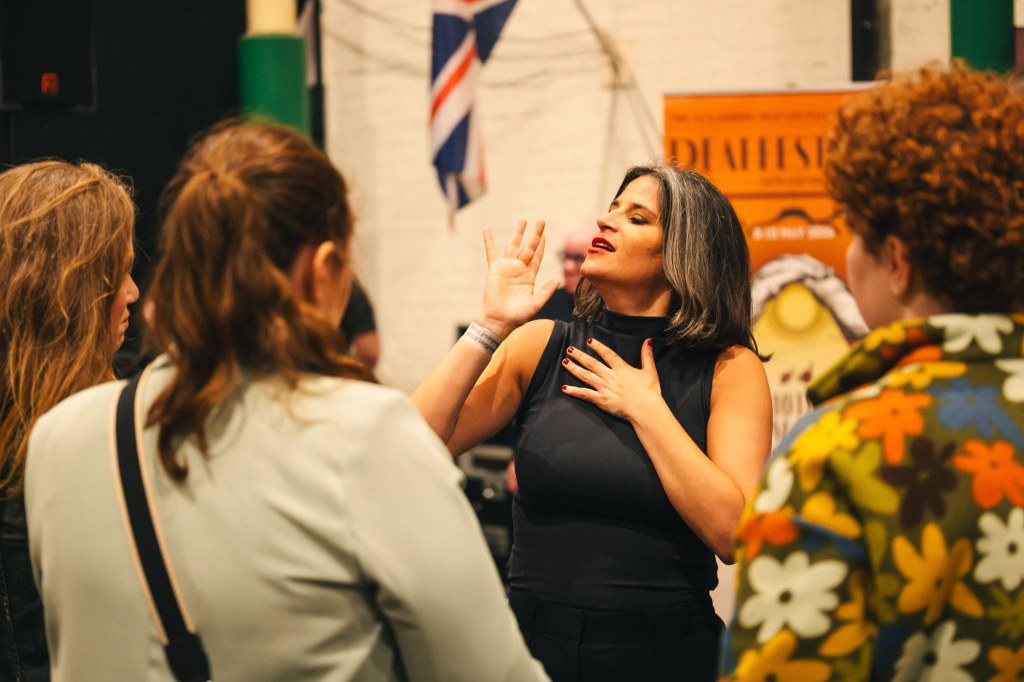
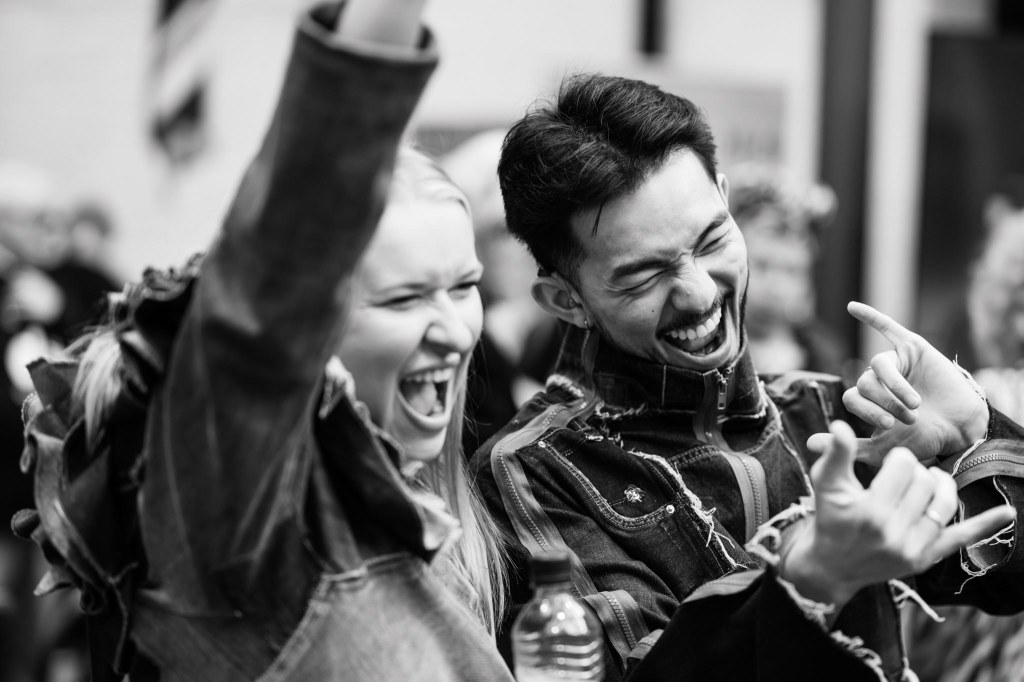
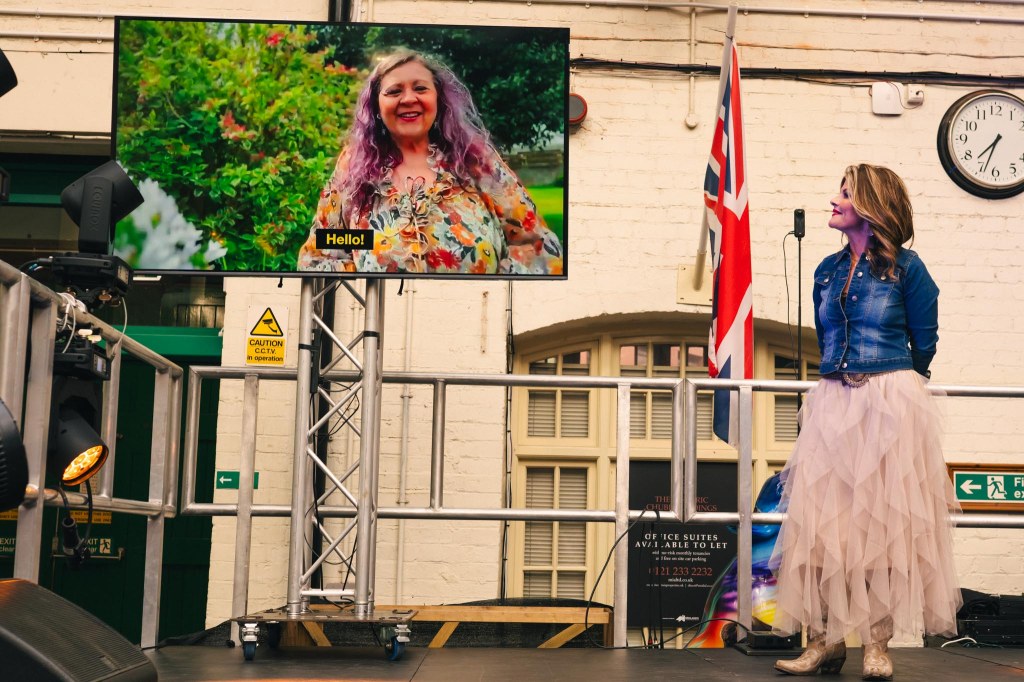
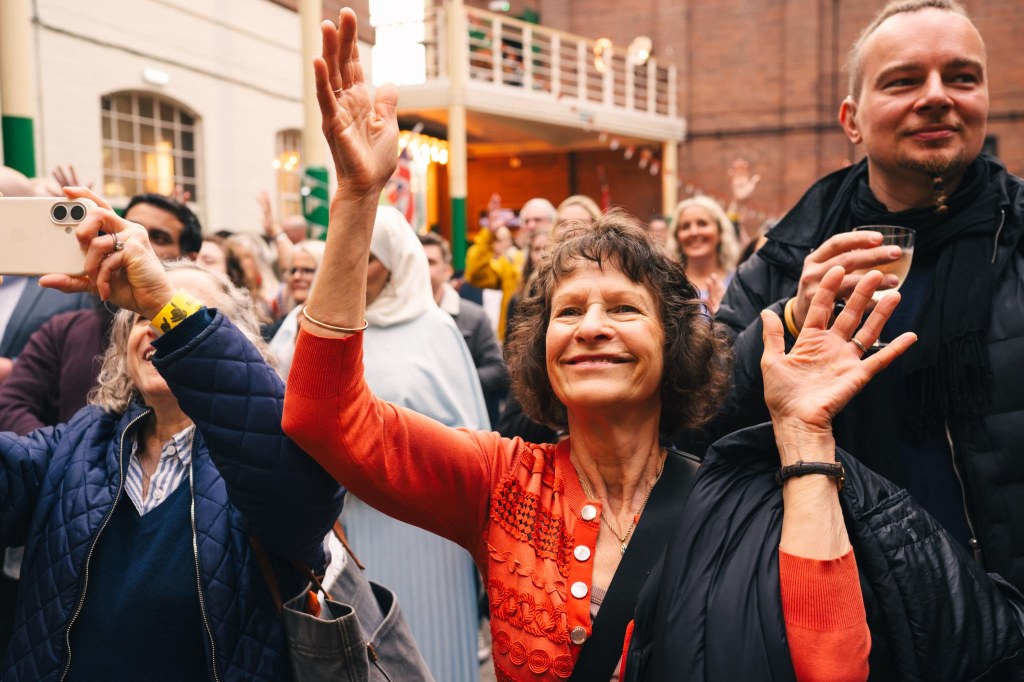
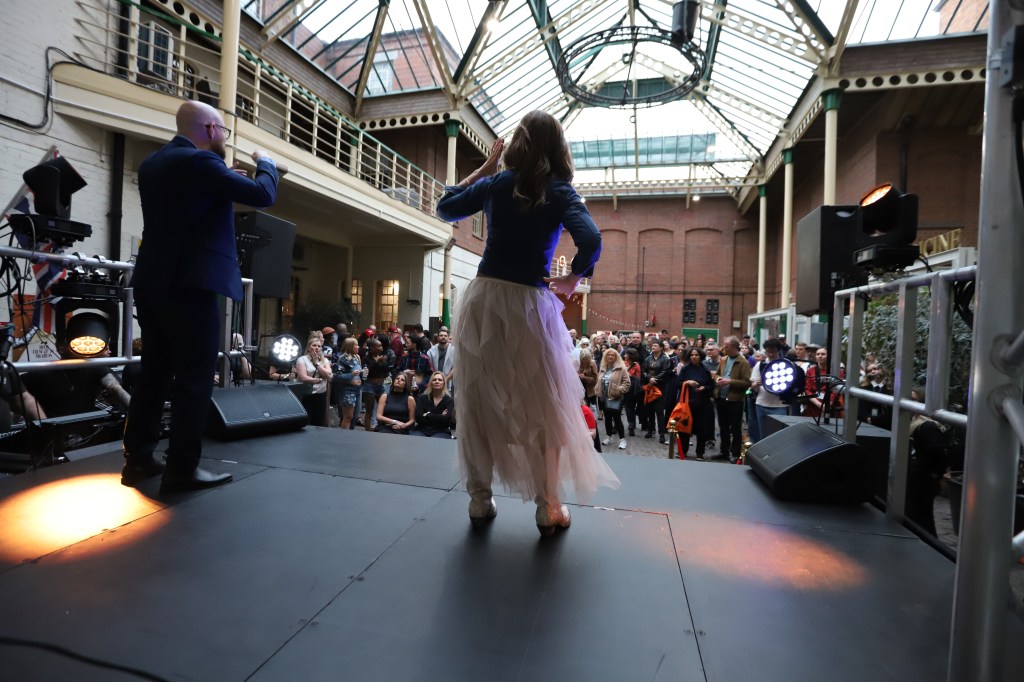
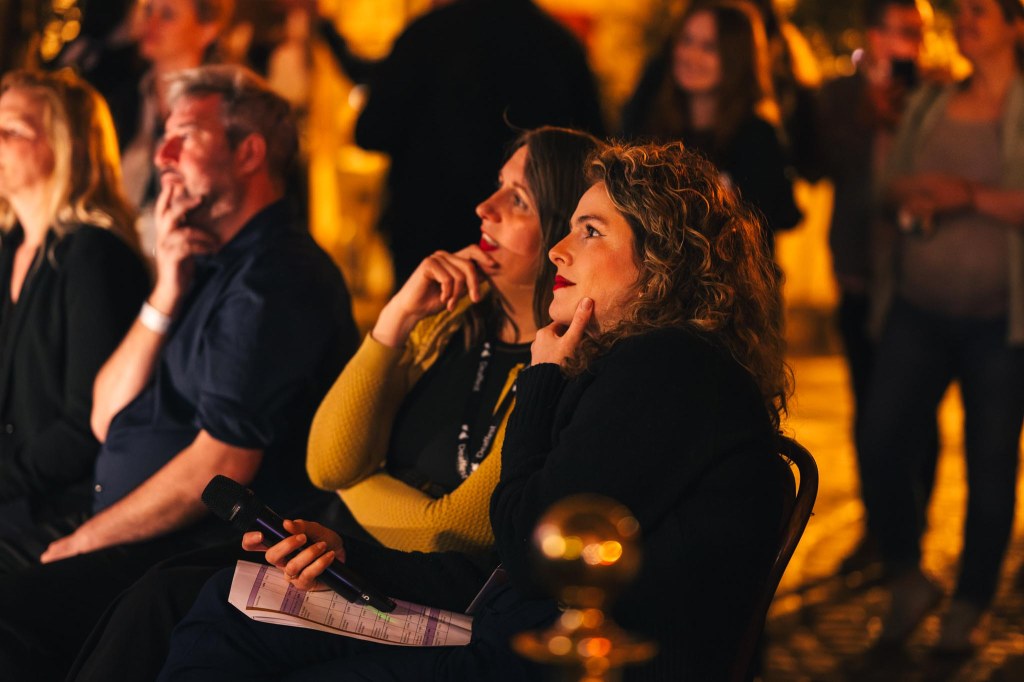
After arriving via a red carpet, festival goers chatted until Deaffest 2026 was officially launched in the Lockworks courtyard by the festival’s Co-founders Nikki Stratton and Marilyn Willrich. Nikki welcomed everyone and urged people from the UK to make all the international visitors feel welcome! “If you didn’t come to Deaffest, it wouldn’t happen, so thank you all,” added Marilyn, who was unfortunately unable to attend so joined via video.
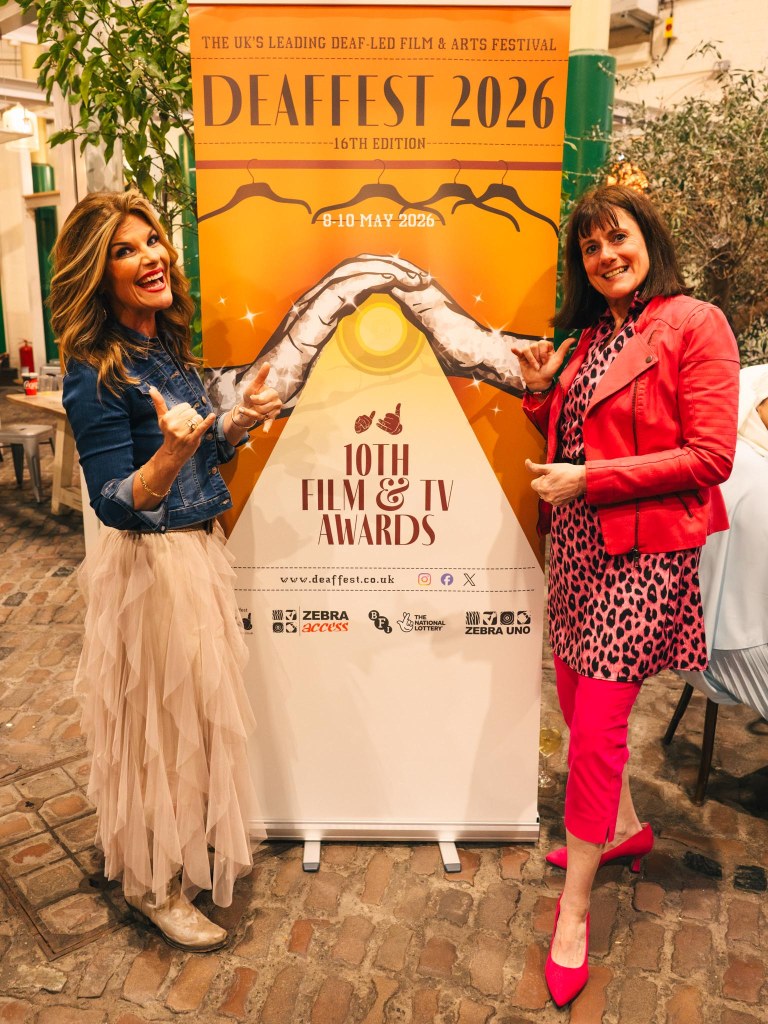
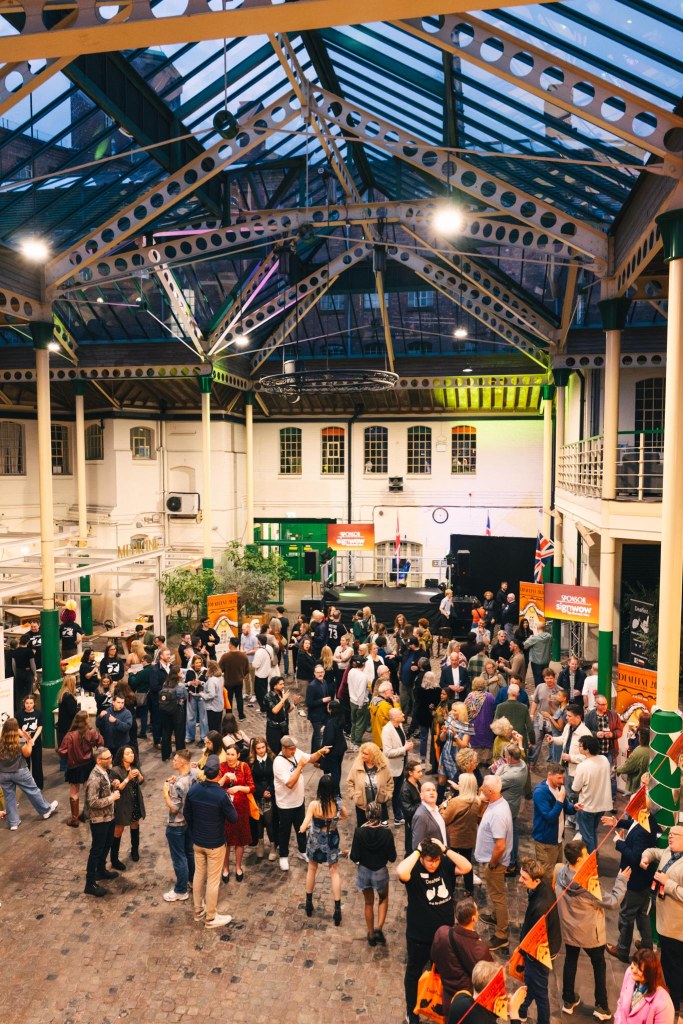
Following this, film fans flocked to the comfy new cinema to enjoy two film premiere screenings. First up was The Eye, (Dir. Deanne Bray, USA, 2026) a funny, mind blowing and slightly gory story about a hearing Hollywood casting director who is having no luck casting a Deaf role. Frank, played by John Maucere, changes her mind in an extremely dramatic way! This was followed by Green Grass (Dir. Aram Atkinson, UK, 2025), a sweet coming-of-age film about two Deaf university students who have more in common than they realise. These two films were very different, but both reflected aspects of Deaf life authentically and went down very well with the audiences.
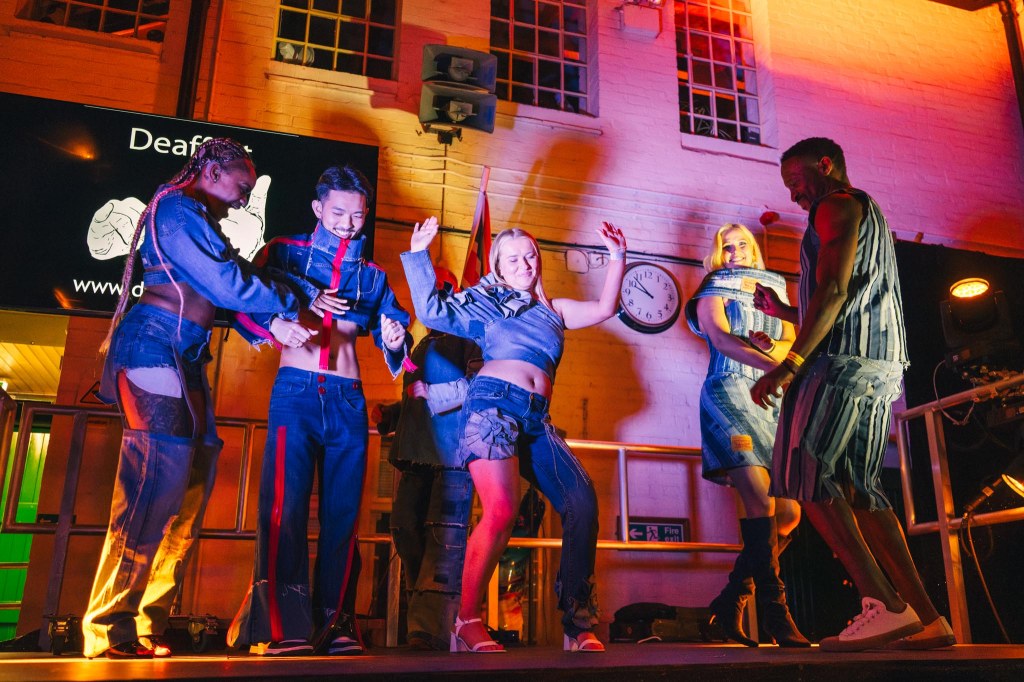
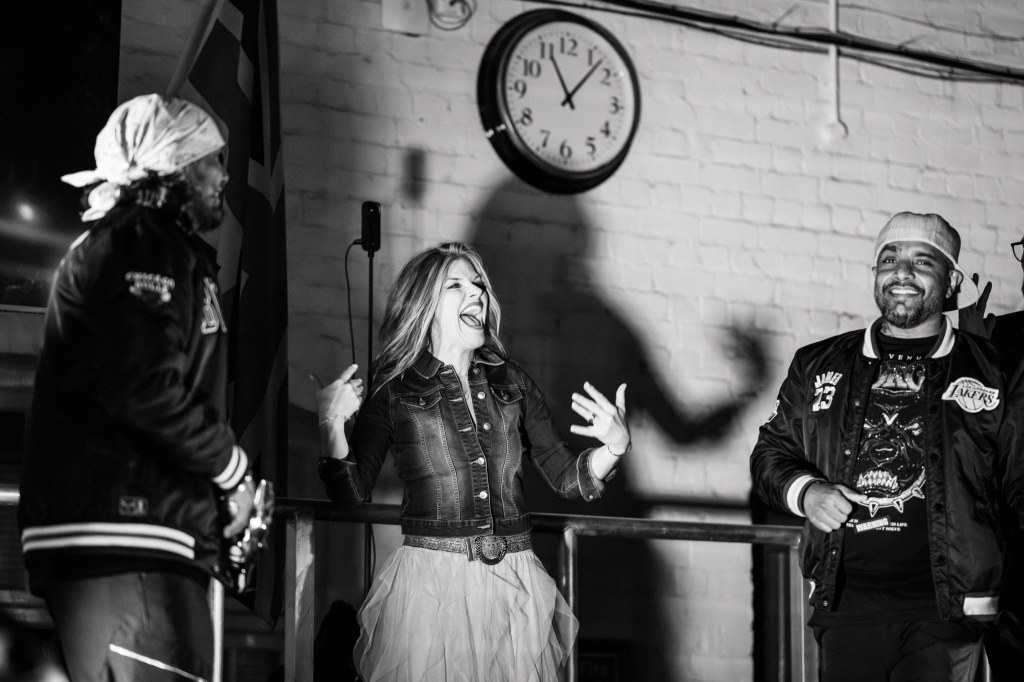
Afterwards, there was a surprise fashion show showcasing the work of Deaf fashion designer Laura Tailor, who specialises in creatively recycling denim. Her beautiful and unique designs were modelled by Aimee Campbell-Nottage, Benny Ngo, David Ellington, Gabriella Bueno Del Carpio, Jazzy Whipps, John Smith, Sarah Adedeji and Sarah Beauvoisin, who brought them to life expertly!
Aside from sharing her work and entertaining everyone, Laura relayed a serious message about the importance of recycling denim, due to its environmental impact and the fact that many people who work in the denim industry do not get paid fair wages.
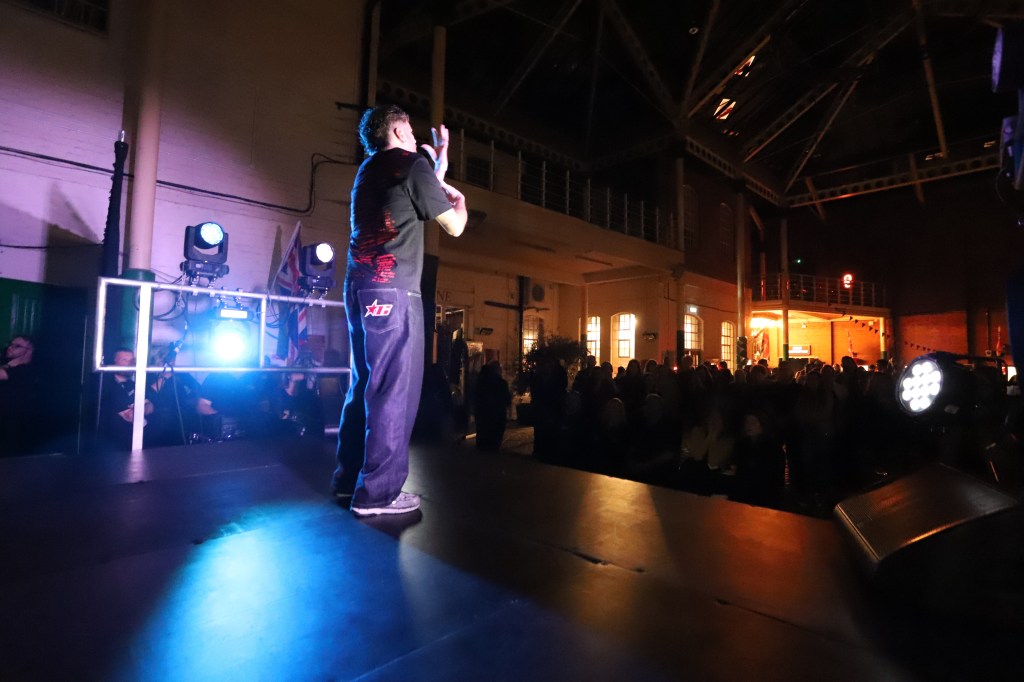
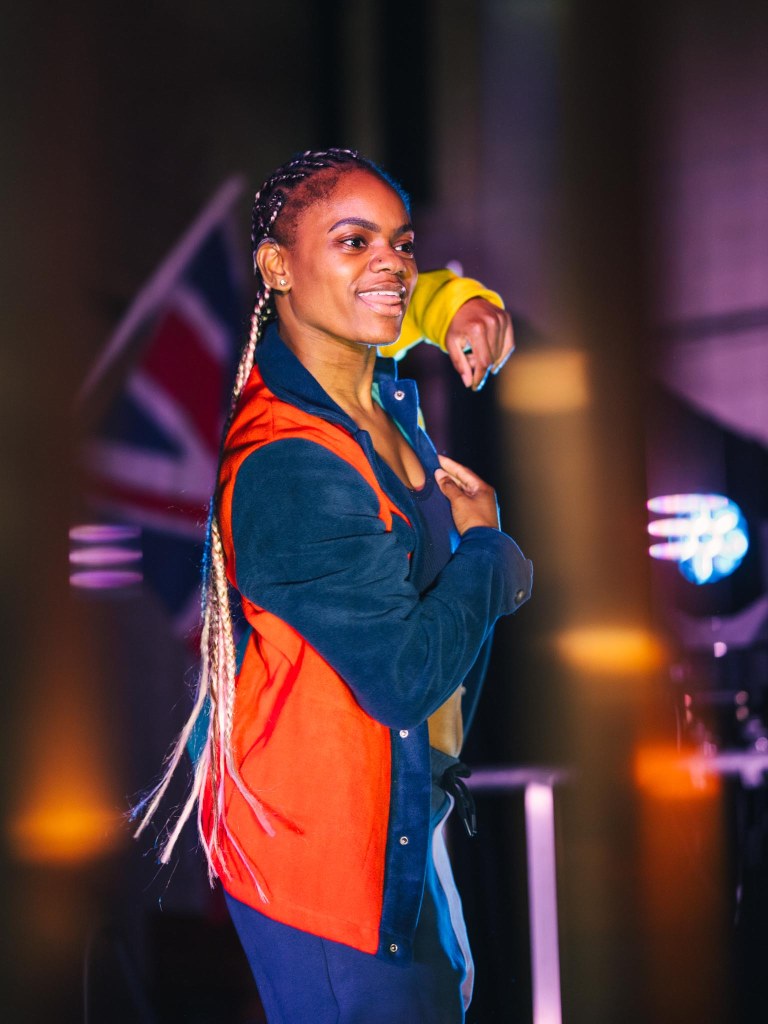
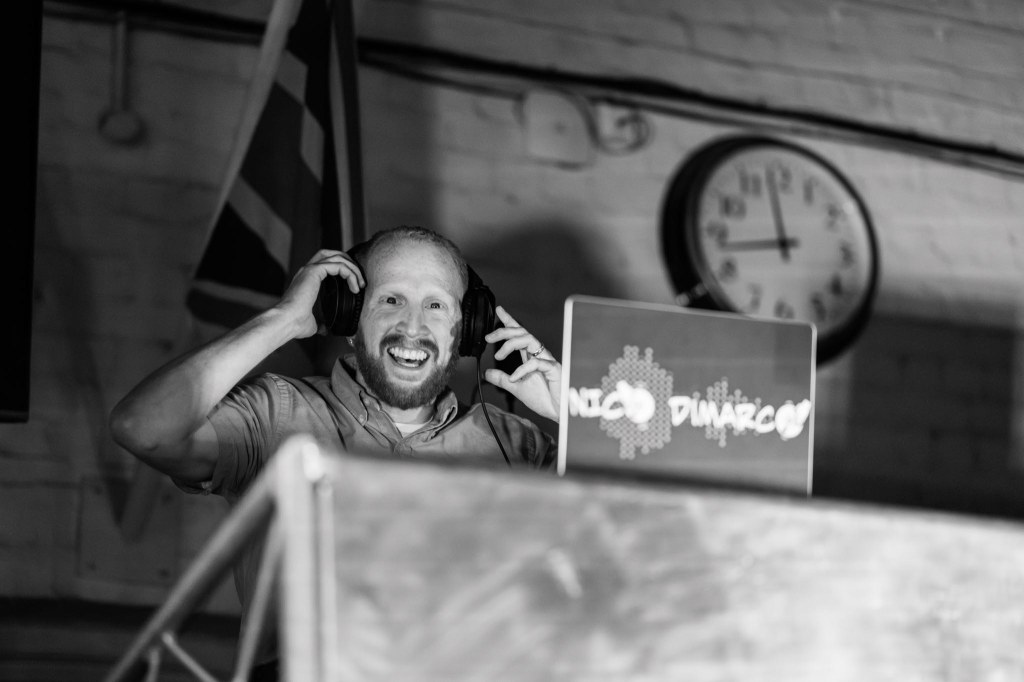
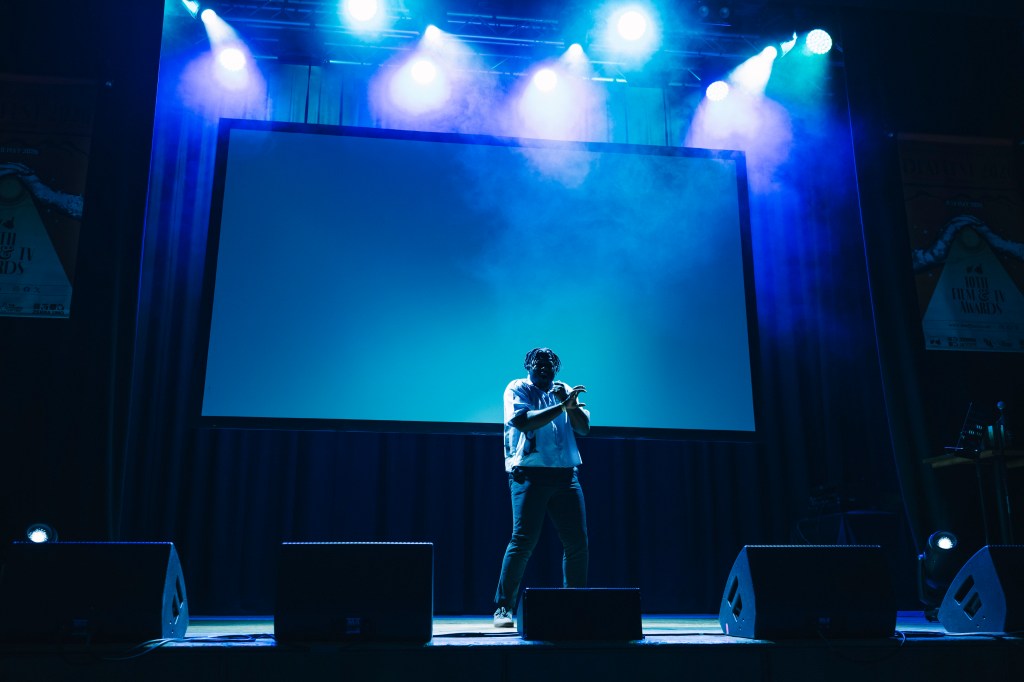
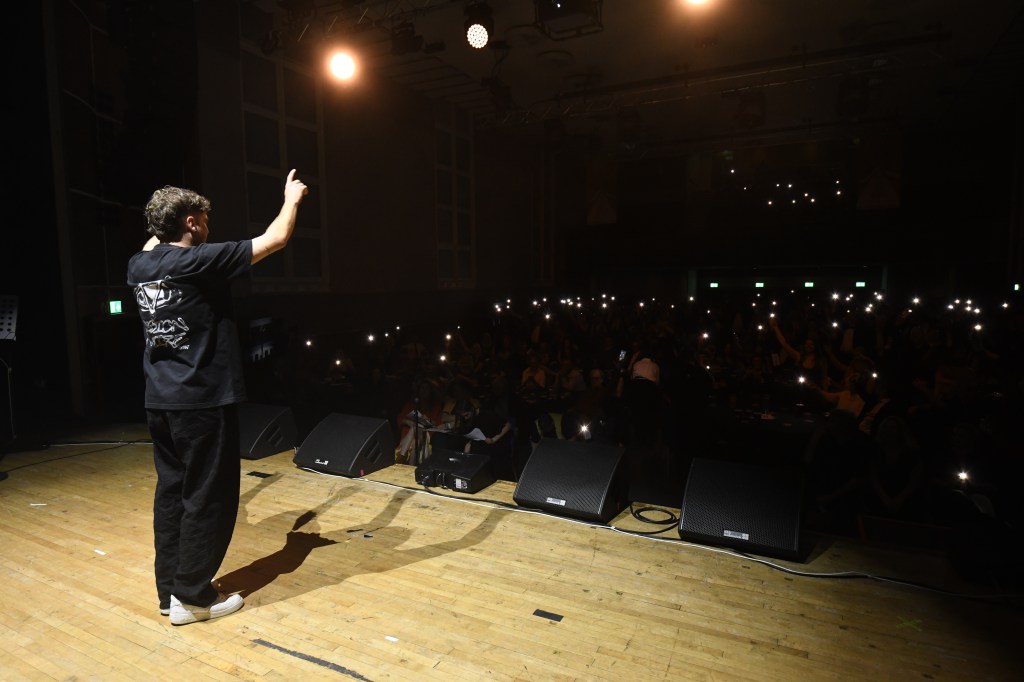
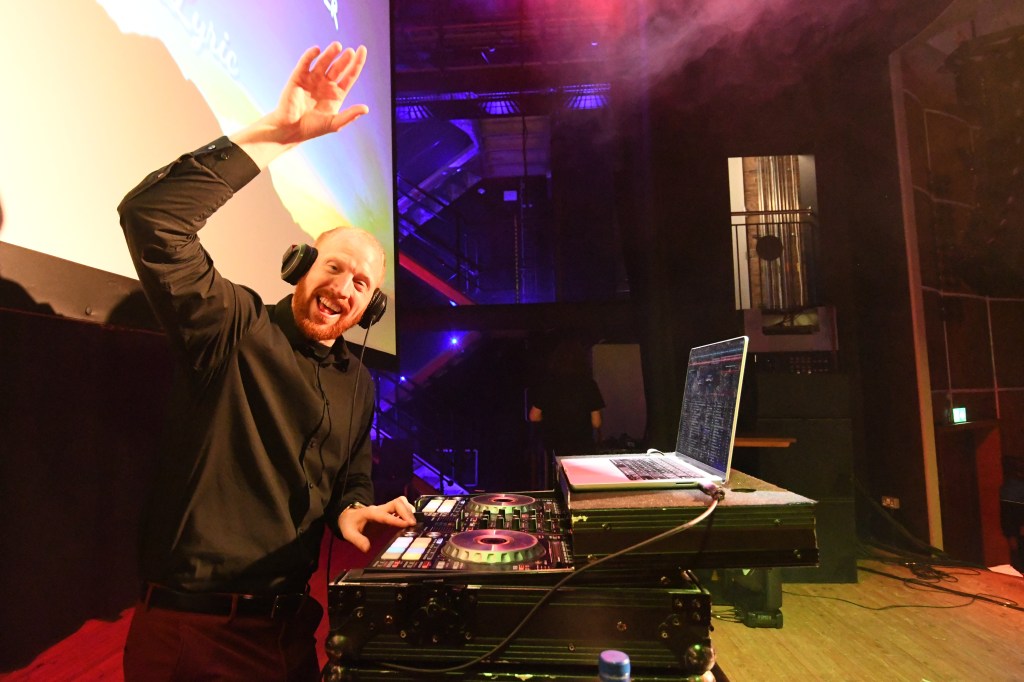
Festival goers were then treated to performances from French VV and theatre performer Julia Pelhate and Deaf creative artist Iain Scott-Burdon, hip hop dancers Roshan and Frank Singh, and VinzSlam, a French rapper who signed Eminem songs with amazing accuracy. Finally, the Lockworks shook with strong bass tunes as American DJ Nico DiMarco partied the night away.
Main Festival Day: Saturday 9th May
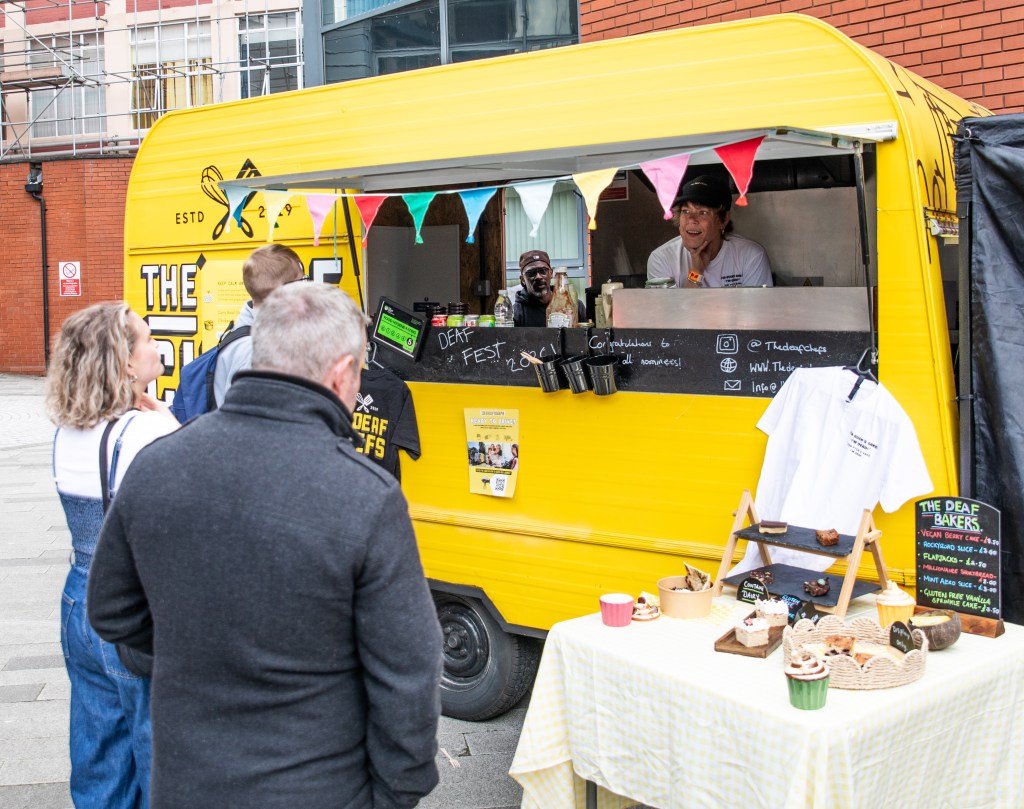
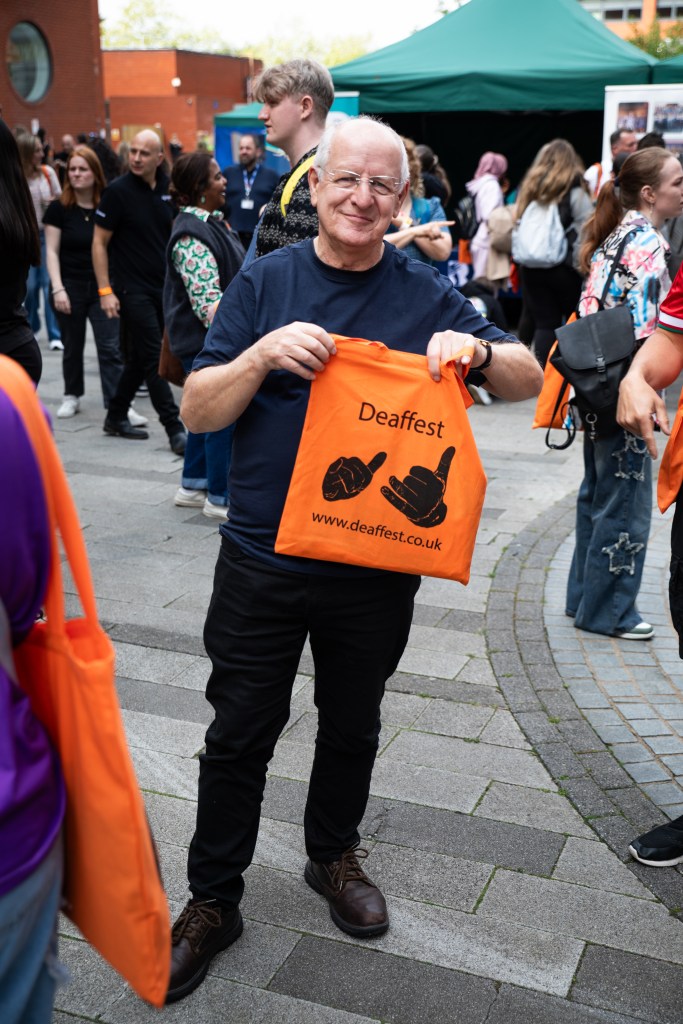
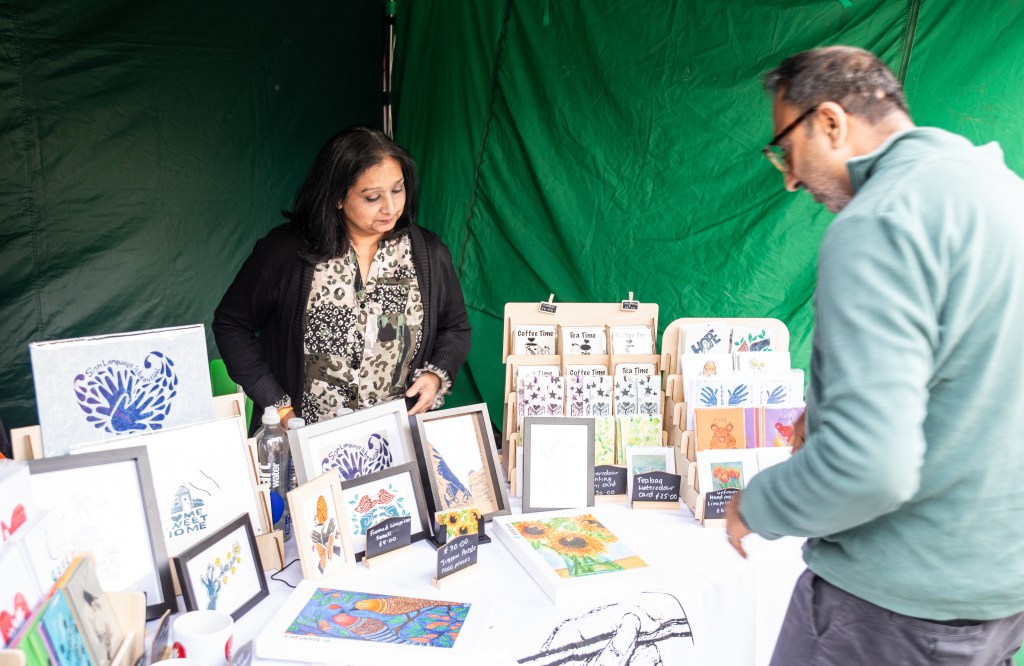
Starting bright and early, The University of Wolverhampton buzzed with activity as it hosted the daytime Deaffest events and screenings, including the nominations. The ever-popular Deaffest Stalls Fair spread across the Millenium City Building and its courtyard, with a lively marketplace packed with people and organisations selling things, demonstrating services and explaining what they had on offer.
Wilfred Jenkins: “Deaffest was such an amazing time. I enjoyed my day and met new and old friends. I enjoyed the Art of Social Media & Photography workshop the best of all.”
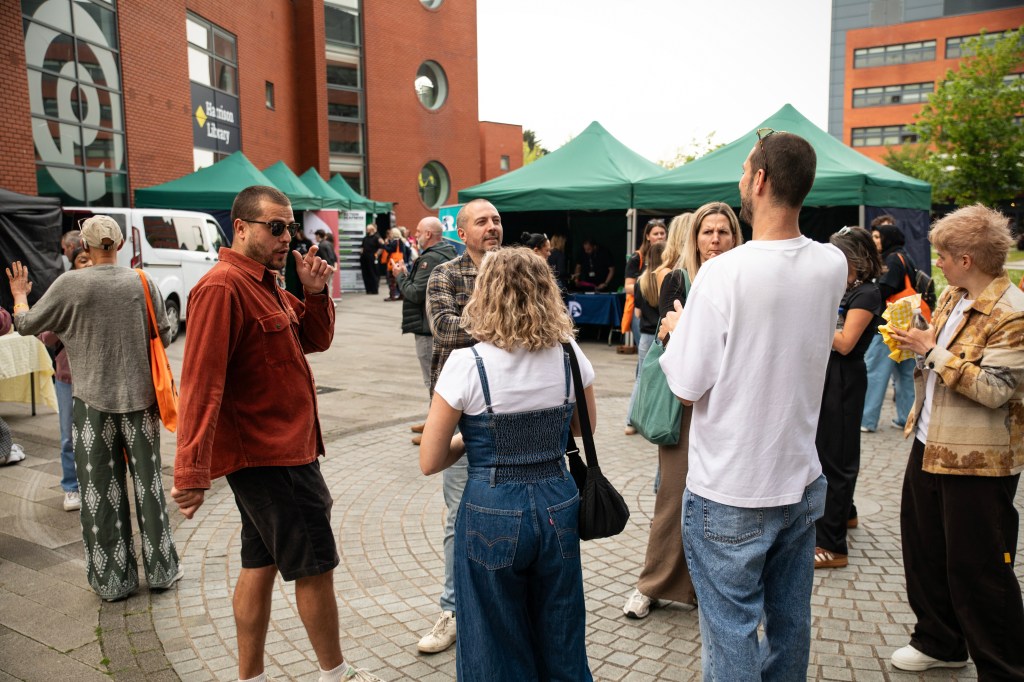
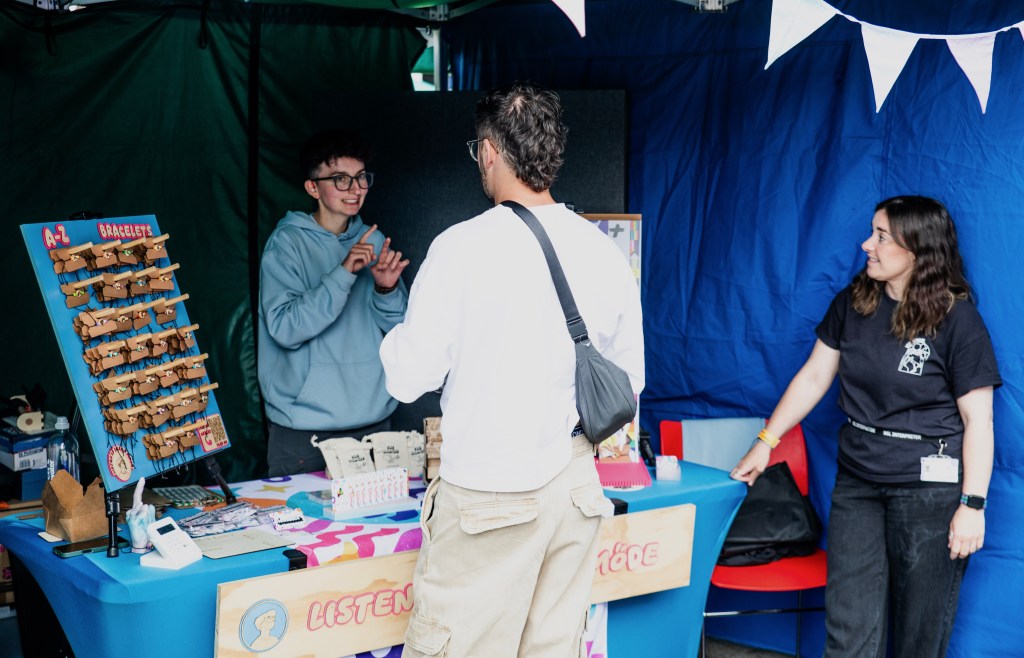
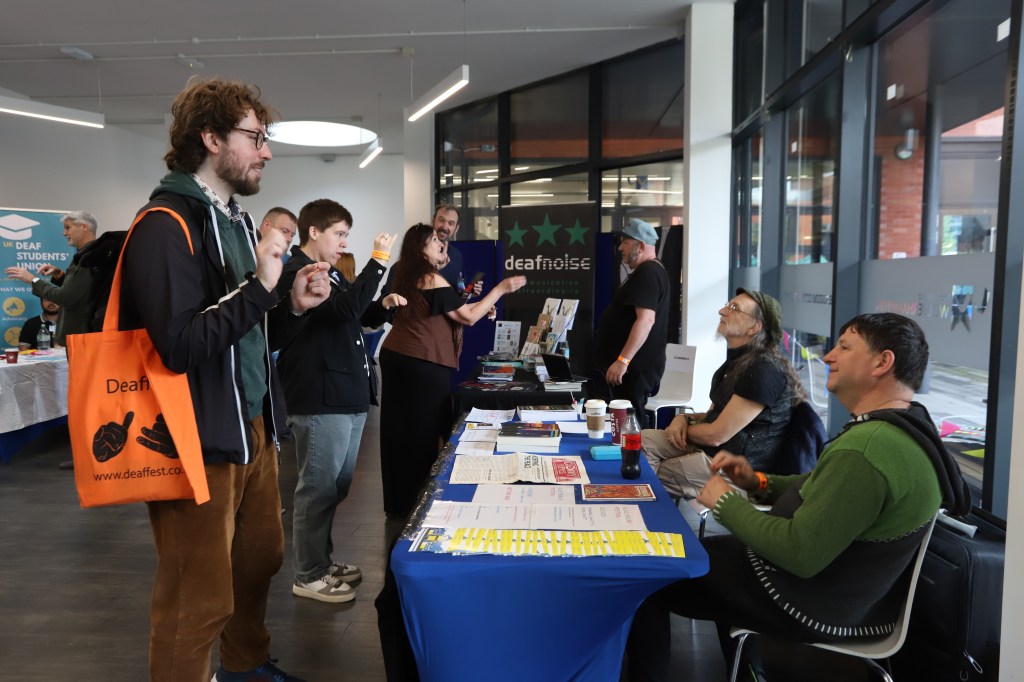
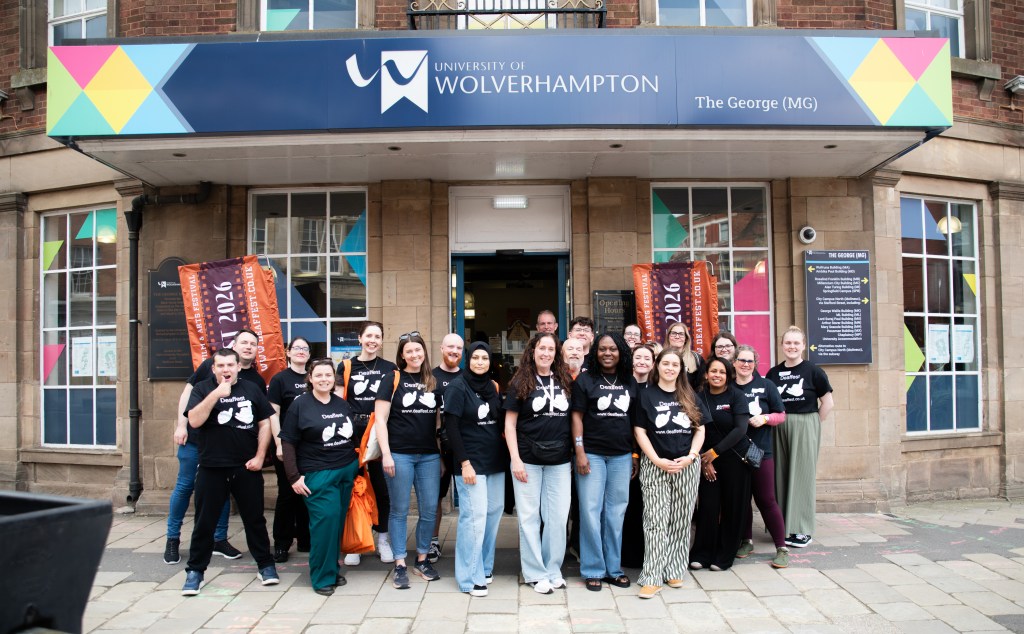
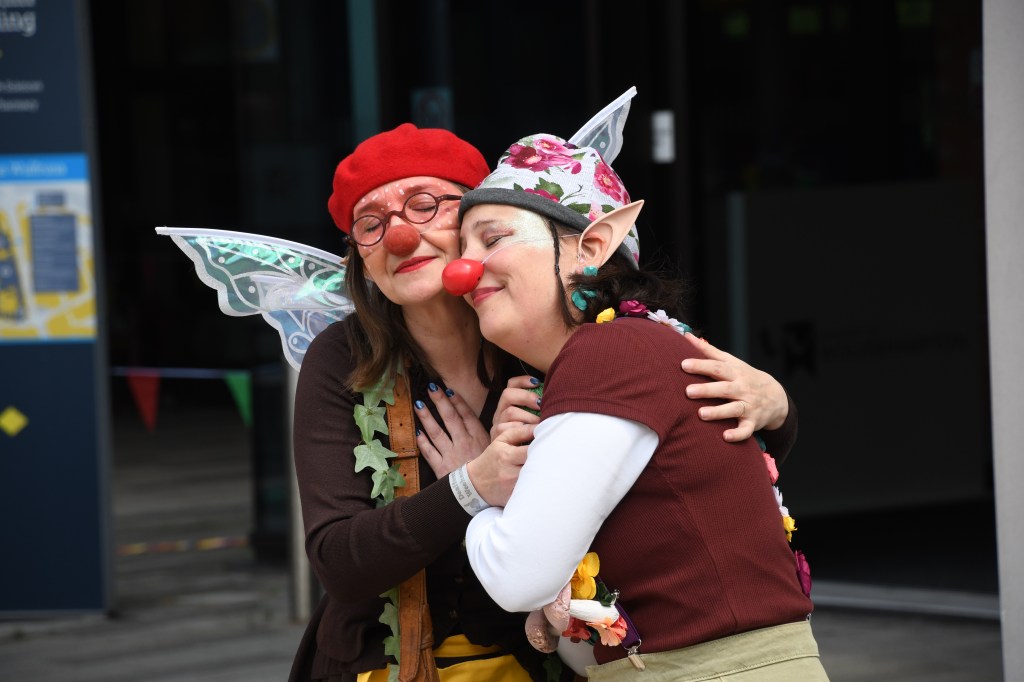
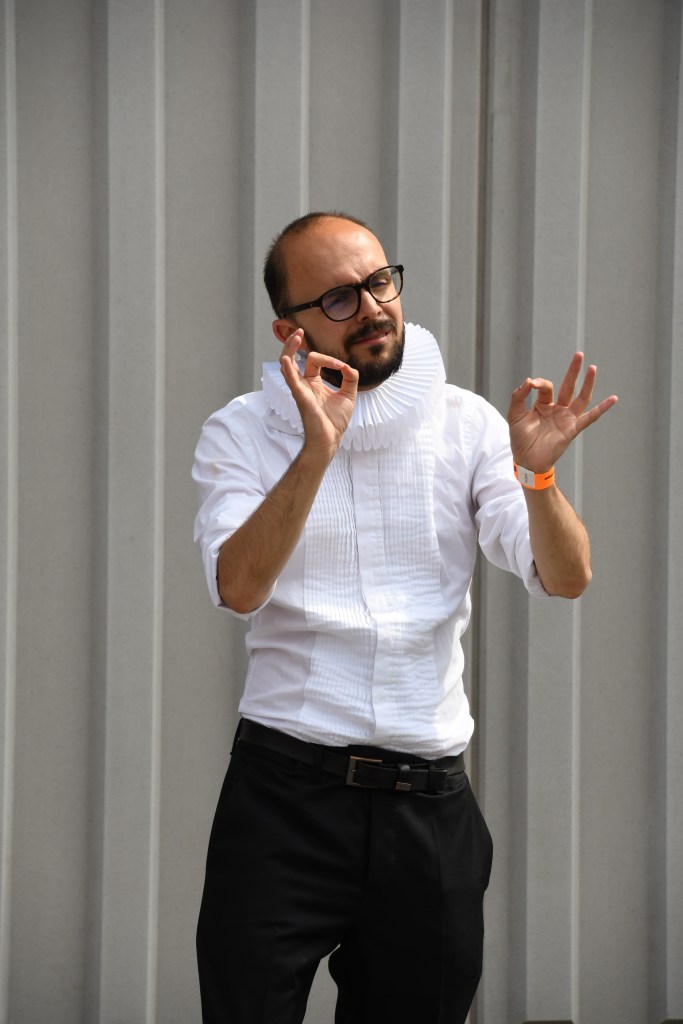
The University’s courtyard had plenty to do and see all day. Visitors of all ages were treated to Play in Motion with The Cirque Trio, who brought imaginative circus skills, playful clowning and expressive movement together in a vibrant circus experience. Led by Terry Brand, Jennifer Manning and Anabela Canica, their hands-on workshop invited participants to experiment with new skills. There was a fully visual clown performance CONEXIONIS by Canadian performer Jennifer and French performer Anabela, and The Deaf Bard, aka William Grint, performed three different excerpts from Shakespeare’s works in 15 minutes in a visually expressive performance blending BSL and VV.
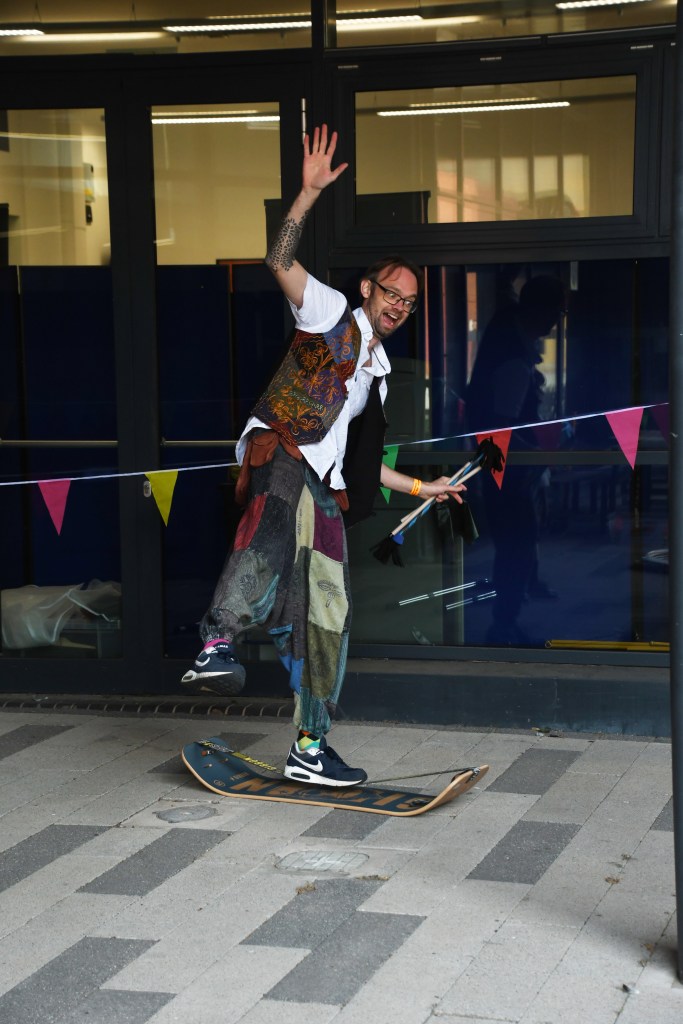
Also on offer was a Support to Study at University tour of the University of Wolverhampton, which has a long history of supporting deaf students. Prospective students were invited to find out about different types of support on offer, as well as to learn more about the Wolverhampton Screen School.
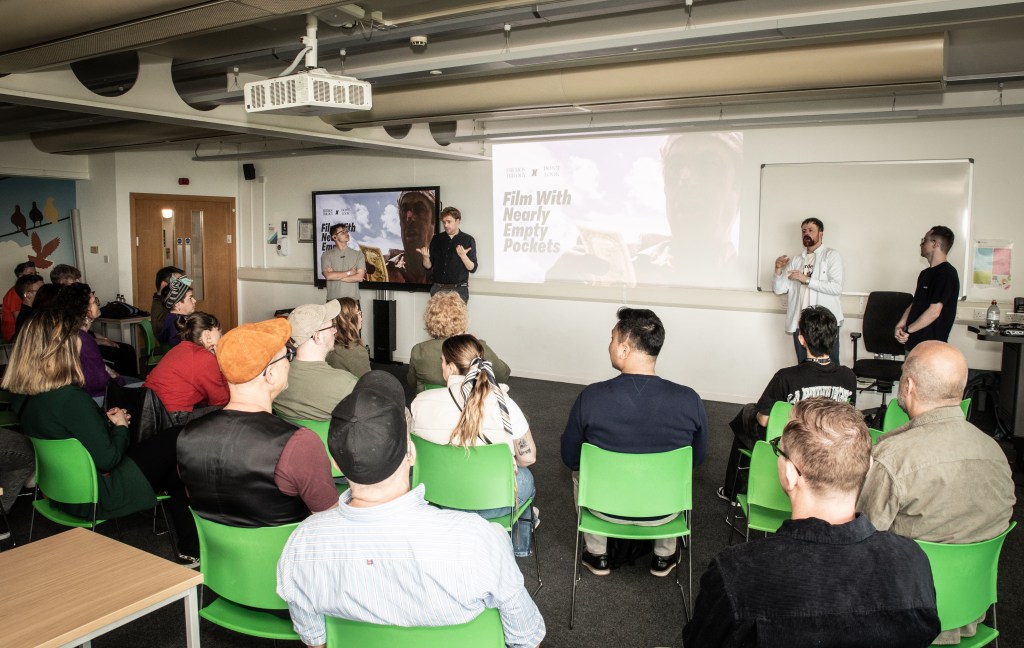
A wealth of workshops were held throughout the day in various university teaching rooms. One of the first was Film With Nearly Empty Pockets, a fascinating and empowering session led by filmmakers Danny Murphy, Samuel Ash and Sam Arnold. They used their films – Danny and Samuel’s Don’t Look and Sam and Samuel’s Eremos Trilogy – to give great examples of how you can make films without much money.
For instance, the whole of short horror Don’t Look was filmed in one room of a house, which was challenging for the director of photography, Samuel, but saved money in the long run. Danny talked about how he often has high expectations, but you have to “stay on the ground” and work with what you can – time is money, and often Samuel would tell him there was no time!
Guerilla filmmaker Sam explained how it is very important to storyboard everything and create a precise shot list to save time on the day of filming and keep a production efficient and economical. He would ask nicely for free locations for short periods of time; planning was key. He also explained that his crew avoided using a tripod to film, as they would have had to pay a fee for that.
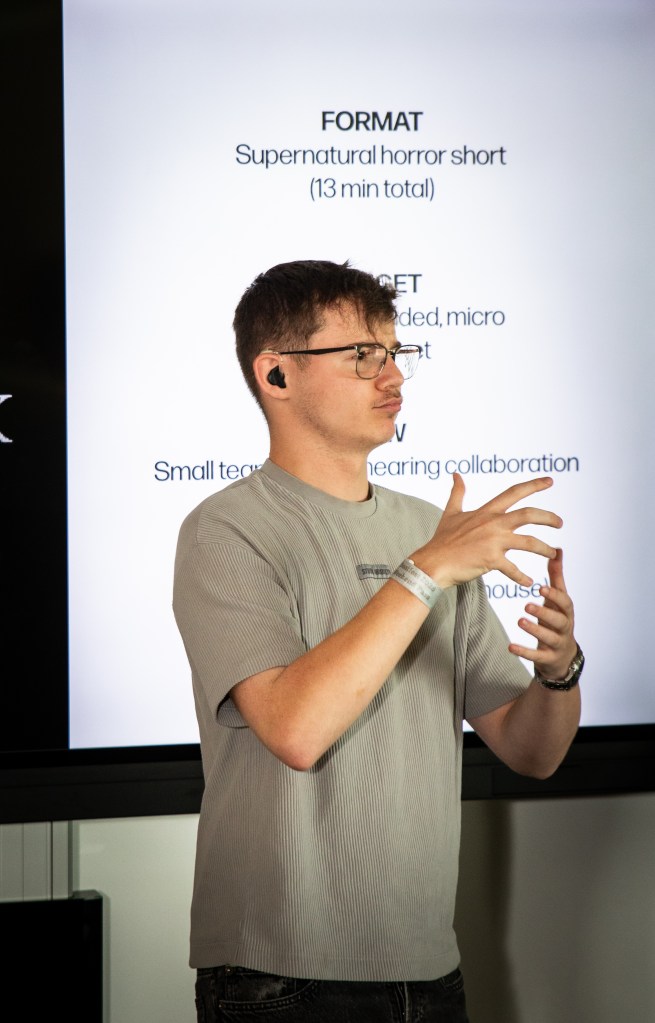
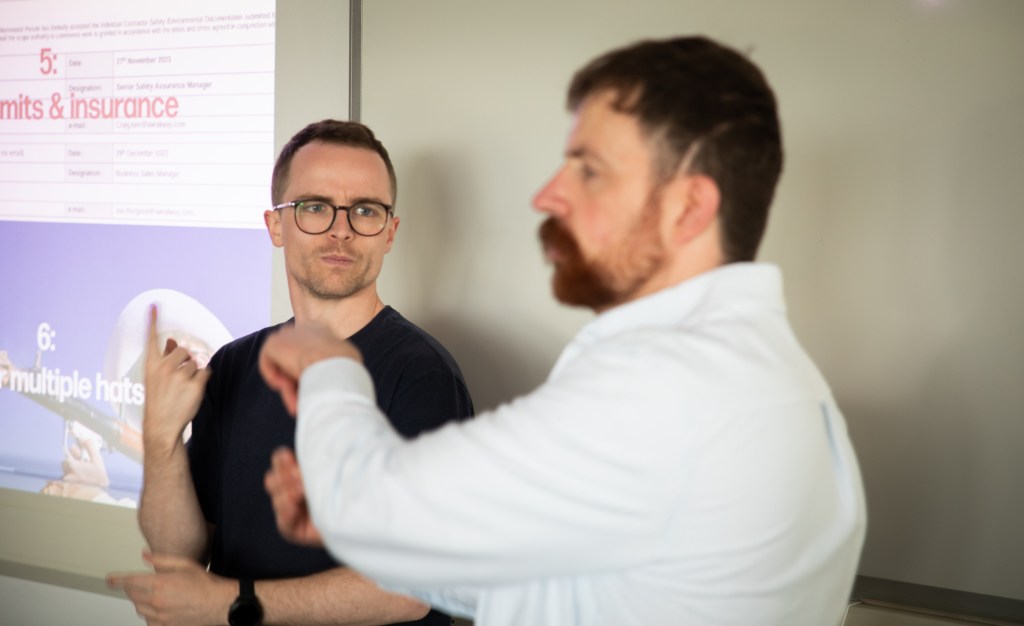
The filmmakers advised their enthusiastic audience to start small; you don’t always need to ask permissions or have a big budget. They pointed out how commissioners always want you to make changes to your film; if you do it without them (and money!), you can do what you want, and you have more control over who you work with too. They added that budding filmmakers can reach out to their contacts, network at events… or if you are shy, perhaps send an email instead.
Sam Ash summed up; “I think you need two things – to build up experience and network. When you have done those things, you will fly.”
Later that morning, Danny, Sam and Samuel came together again to share their experiences of Film Marketing With Nearly Empty Pockets! Their advice on boosting engagement and showcasing work included posting on YouTube and Instagram, having behind-the-scenes skills and press kits, and drawing up a good film festival strategy. Full of tips and tricks, the workshop even covered how to get discounts and invitations to film festivals, the importance of premieres and planning what to do well in advance.
“You do have to be resilient,” said Danny; “sometimes your film just doesn’t meet a festival’s criteria for many reasons, but don’t give up!”
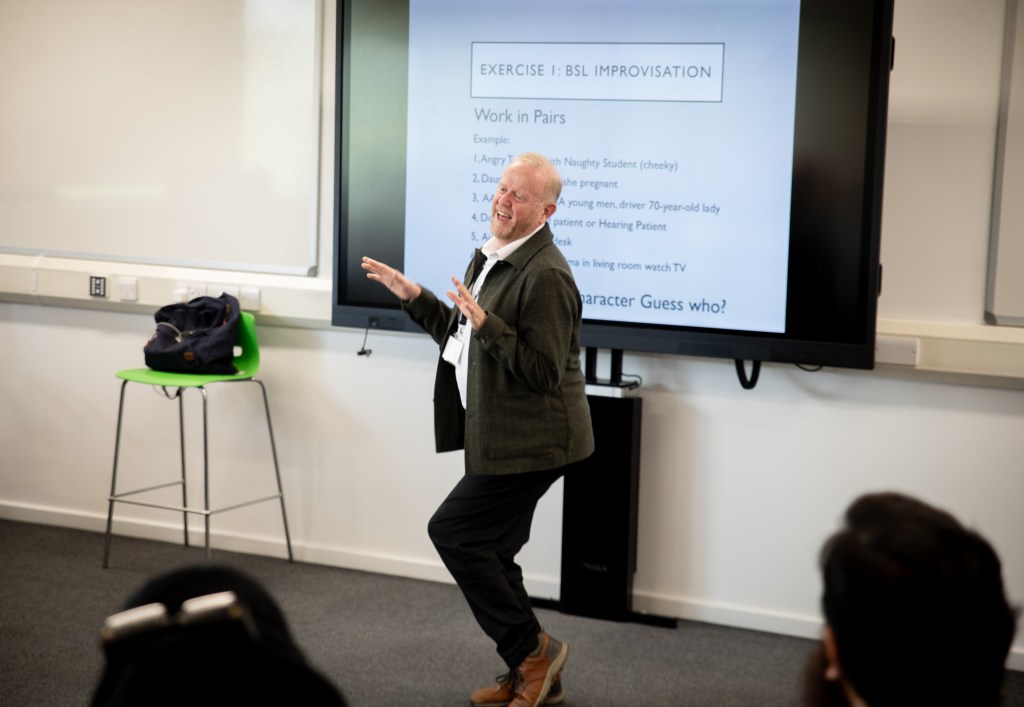
In Acting Out: Finding Comedy in Life’s Stories, comedian, actor and BSL teacher John Smith led an interactive workshop that blended the art of acting with the healing power of comedy.
In his introduction, John reassured participants, “I’m not the lecturing type. I’m more your bloke down the pub.” He then used his unique, naturally funny style to persuade everyone to do a warm-up. There was lots of laughter throughout, especially in relation to his recent surprise hair growth and subsequent barber experience!
Showing how acting and comedy can be powerful tools for understanding, coping with and sharing mental health experiences, John encouraged participants to share their stories with humour in a safe space.
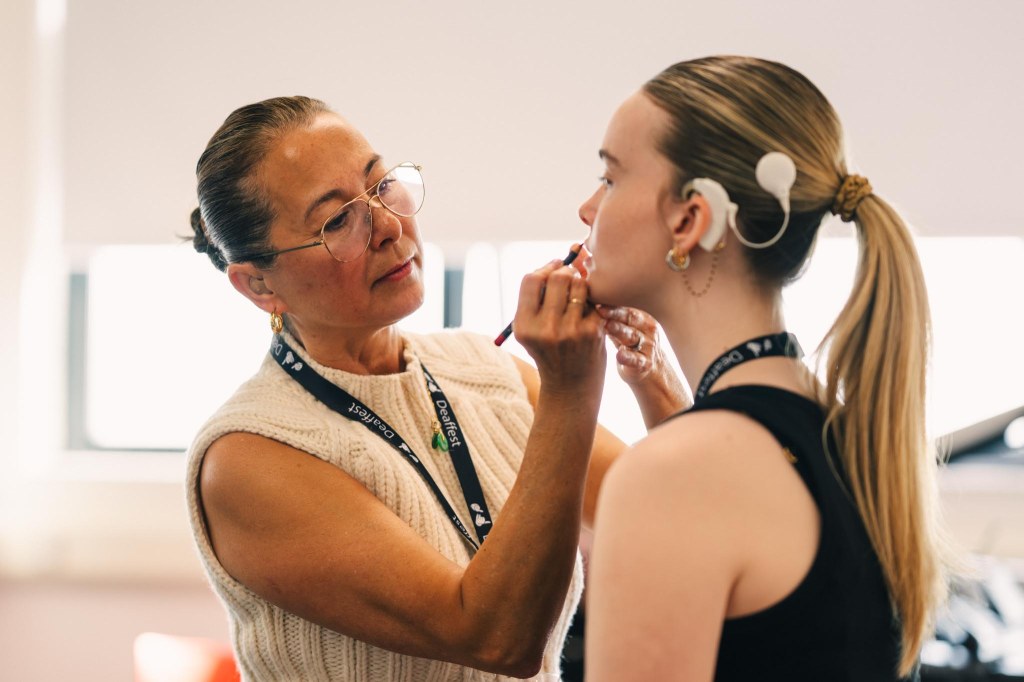
Meanwhile, in Deaffest X Wonderment Beauty, Deaf professional make-up artist Nicky Weir explored the art of make-up and storytelling. Nicky discussed her journey in make-up while doing a live make-up demo on Deaf model Imy Harris, effortlessly answering questions about career choices and giving out makeup tips as she went along!
Nicky shared how she did style icon Amy Winehouse’s iconic make-up for three years, explaining how they bonded and she gained Amy’s trust. Asked about her training, she explained that she did a six-week crash course at college, which was expensive, but also top of the range.
Warm, friendly and supportive, Nicky advised, “Practice is the number one thing to do, and if you can do that, everything else will be easy … Just try everything, don’t be shy!”
Another encouraging Deaf professional was former TV presenter and established lifestyle brand, Nathan Rollinson, whose The Art of Social Media & Photography was an inspiring look at how he started out, and how others can follow his footsteps.
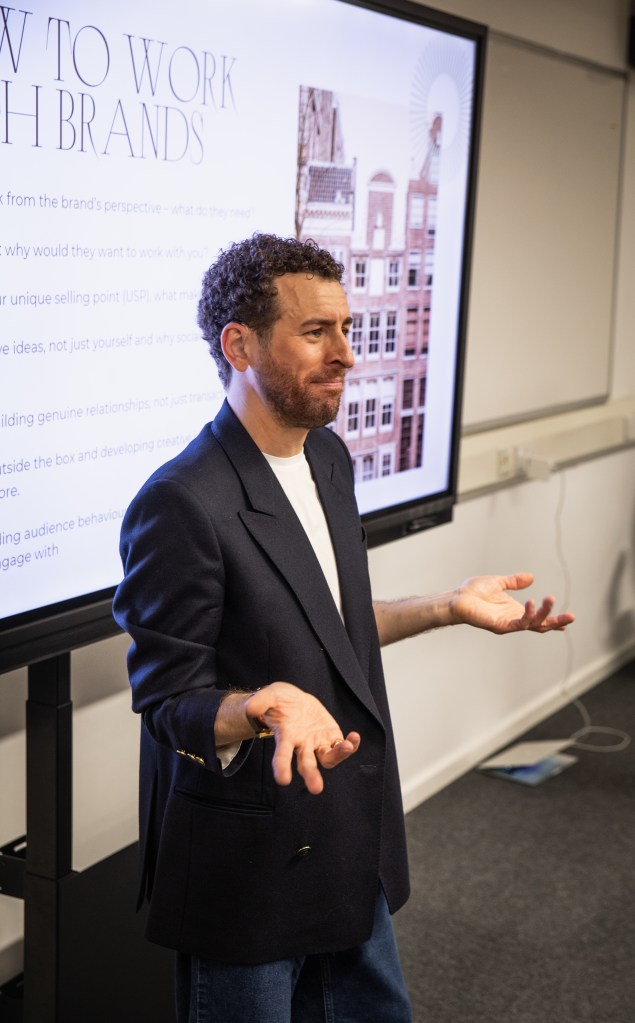
Nathan shared how he saved his benefits to go travelling and took photographs while he was away. He tried blogging and discovered that people wanted to see more of his photos, so he treated Instagram as his portfolio. Ever resourceful, he saved up to buy himself a decent camera and got a friend to design his logo. Deaffest in 2006 was his first real exposure to media, acting and creative storytelling!
Noting how the creative industry is competitive, Nathan encouraged his audience to promote themselves as much as they can. He explained how to post promotional content about brands’ products online; if is successful and leads to sales and interaction, the brand might offer you money later. Sometimes you get free gifts too, which might lead to paid work.
“Everyone can be a photographer; it’s what you see and what you do with the camera, how you design it, “said Nathan. “I’m self-taught and sometimes I say that’s the best way because you start small, persevere and learn. It takes time, patience and consistency to build your career.”
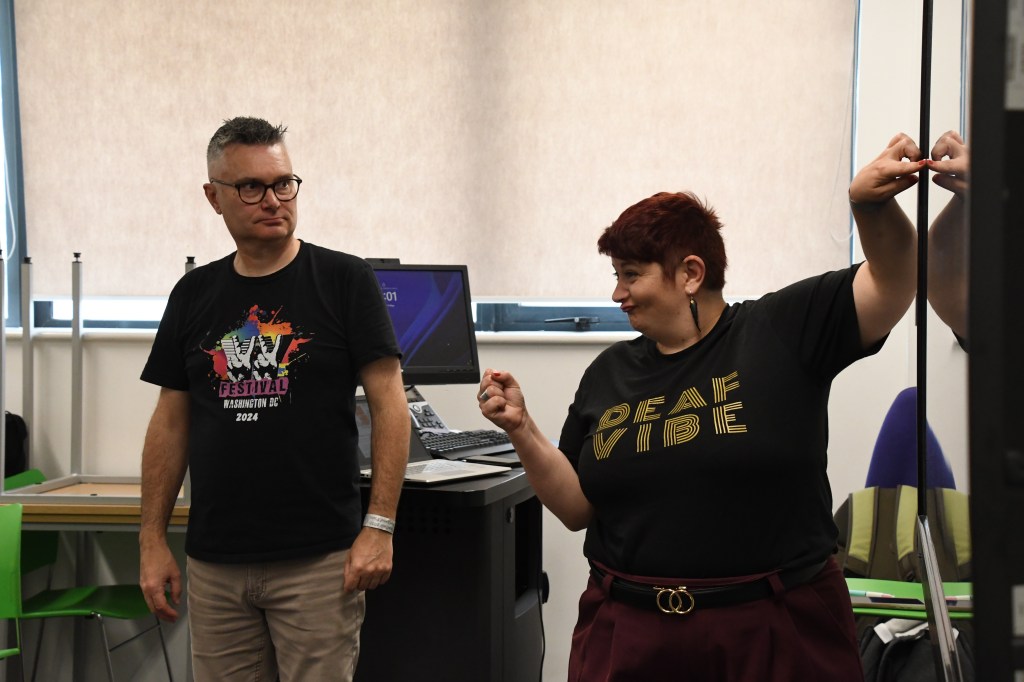
Down the hallway, the Visual Vernacular: Stories in Motion workshop introduced Visual Vernacular (VV) how it can be used. Led by Julia Pelhate and Iain Scott-Burdon, the interactive workshop started with a brief history of VV, an innate form of creative storytelling which originated in the Deaf community and was named by Bernard Bragg in the 1960s.
Looking at how VV has changed over the years, the presenters explained how it became more popular during the Covid lockdown, when an Instagram account was set up to showcase people’s work. Since then, there has been an explosion of interest, with VV festivals being organised all over the world.
Participants’ contributions were encouraged and they were given practical tools to shape vivid narratives through movement alone.
“Deaf people are more visual than hearing people because we grow up using our eyes,” noted Julia.
In Camerawork & Visual Design: Shaping Story Through the Lens, DoP Will Clark and director/camera operator Teresa Garratty led an interactive workshop exploring the role of visuals in filmmaking.
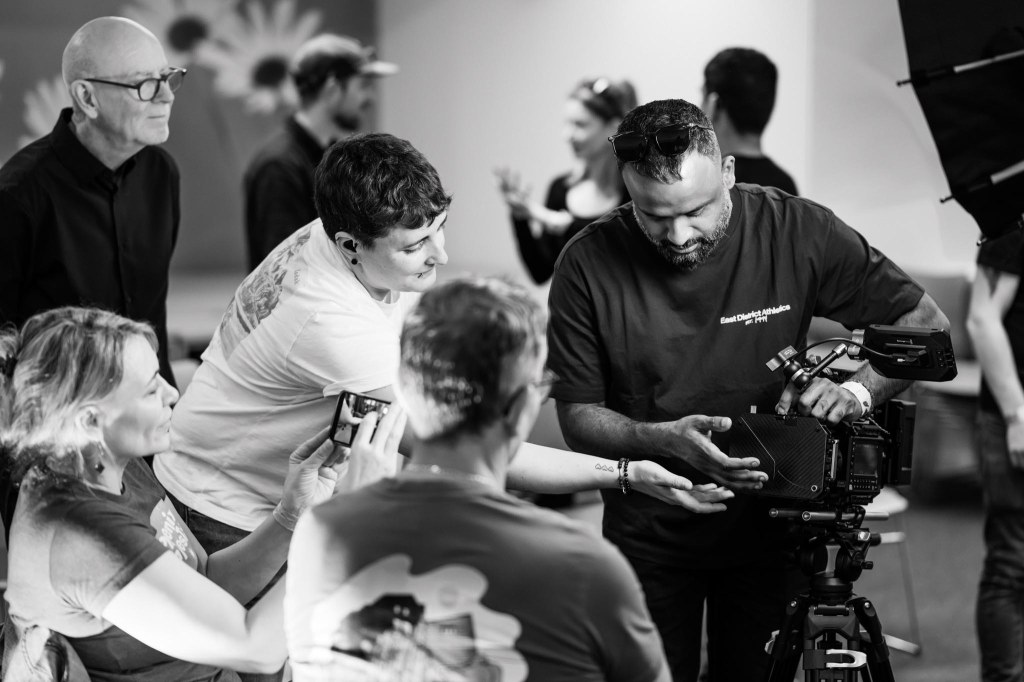
Participants were given a crash course in colour and lighting theory, learning how lighting and colour tricks can be used for different things. For example, colours can show what has happened to characters – red implies danger, warnings and bad things, but also romance and love.
This was followed by a fun practical session, which someone described as an impromptu mini film crew, to illustrate how thoughtful design and lighting choices contribute to a film’s atmosphere, authenticity and impact.
Music lovers packed out VinzSlam and DJ Nico DiMarco’s Rap, Rhythm & Signs: Bringing Music to Life for an insight into how they work with music and lyrics.
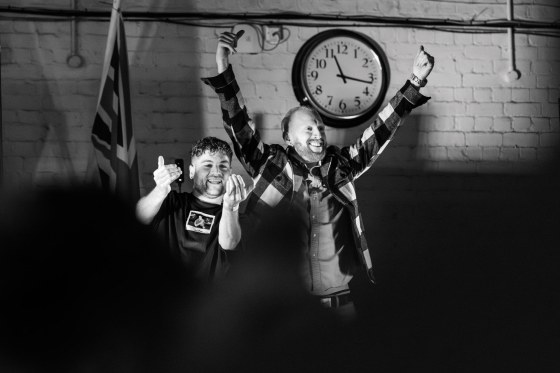
VinzSlam started with an overview of his background, which includes a master’s degree and some time with Frontrunners. During Covid, he started filming himself signing songs for social media, but didn’t think about performing on stage until he was asked to do so for the first time in 2021!
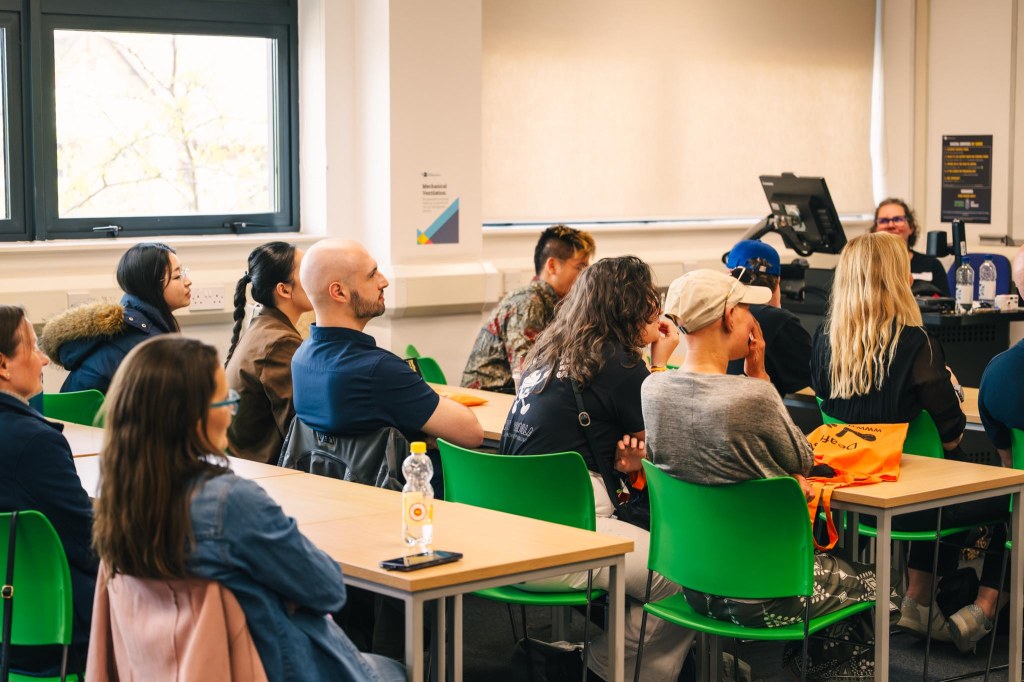
Nico, who works as an IT Specialist by day, was also surprised when he was offered his first DJing job. Completely self-taught, he saved up to buy equipment and his confidence grew when people started booking him. Nico has now DJed in 12 different countries!
Finally, in the Upcycle & Style: Recycled Denim Pencil Case Workshop, participants were encouraged to have a go at designing and making something unique from recycled denim alongside Laura Tailor!
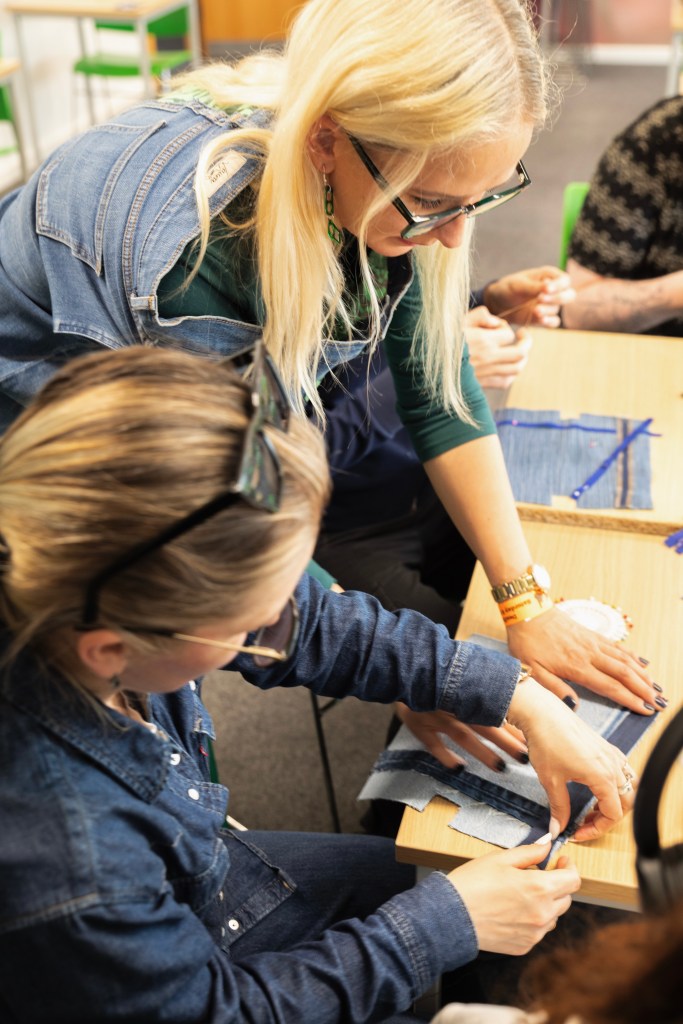
Latvian-born and London-based, Laura is a Deaf fashion designer and bespoke tailor specialising in sustainable denim clothing for men and women. Her enthusiastic yet calming workshop guided participants as they enjoyed the craft of transforming recycled materials into stylish, one-of-a-kind pencil cases. They explored their creativity through this hands-on session, working with great focus, before proudly taking their creations home.
After the workshops came three afternoon panel discussions, all with large audiences, the University’s main lecture theatre.
First up was Vision and Scale: Filmmaking Across Boundaries, discussing approaches to vision, scale and storytelling. Hosted by Nikki Stratton, this panel was a truly international session, featuring Audrey Sangla, filmmaker and director of Serendipity by Sofia (France), Con Mehlum, director and screenwriter of Salt&Pepper (Norway), Joseph D. Josselyn, director of Jesus: A Deaf Missions film (USA), Michel Laubacher, producer of Salt&Pepper (Switzerland) and Seán Herlihy, co-producer of A Quiet Love (Ireland).
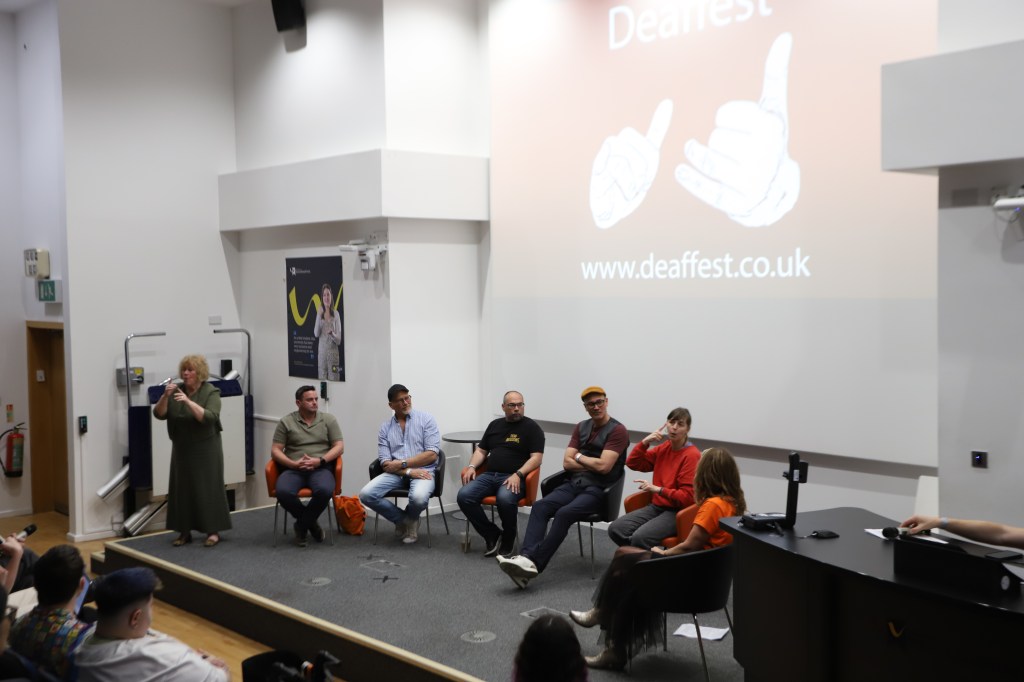
Starting by looking at how budgets helped to shape their creative decisions, the panel discussed how, while Jesus: A Deaf Missions film had a $4.8m budget, their other films’ budgets were much lower. Audrey, who has worked with budgets of zero to 100,000 Euros, noted how her ideas can sometimes be too expensive and she has had to try and find ideas that were realistic for her budgets.
Interestingly, their challenges were the same as the ones highlighted in that morning’s Film With Nearly Empty Pockets workshop – the directors wanted to add things to the films and the producers said no! – even Jesus: A Deaf Missions film came across the same kind of problems.
For Salt&Pepper, Con and Michel wanted the whole crew to be deaf, including the technicians and make-up artists, meaning communication was smooth and less time was wasted. Jesus: A Deaf Missions film was Deaf-led, except where Deaf crew could not be sourced, and the crew for A Quiet Love was all Deaf apart from the producer and director, with 28 Deaf people working behind and in front of the camera, including some trainees.
Serendipity by Sofia was also an all-Deaf production, and no provision was made for sound. In post-production, a hearing friend of the crew was asked to look at the sound and polish it up. The film was shown at Deaf festivals, winning awards, but when it was shown at a hearing festival, there were comments that the sound was strange; it was then that they realised there must be a budget for sound if you want to show your film to hearing people. Similarly, Jesus has no voices; at first, director Joseph didn’t want a sound person involved, but agreed in the end, for the hearing audience. Indeed, as Seán said, sound helps hearing people to engage.
The discussion also covered how Deaf filmmakers tend to wear many hats. For example, Con had lots of roles within Salt&Pepper, as did Seán for A Quiet Love. Audrey, who is French, worked on a Norwegian film, so there were multiple languages involved, including English, and lots of translation was done by the team – an extra skill that Deaf filmmakers often need to have.
The panel were asked if they’d come across any challenges related to framing signed language while they were filming, following “hearing” rules, in which signing is sometimes out of shot. Yes, Joseph agreed; Jesus had had to have subtitles for access reasons. Audrey shared how she made a film about deaf person becoming more and more ill. As the character’s health deteriorated, their language and communication became smaller and less expressive, and the camera angle closed in. Framing can affect how emotions are shown and sometimes you need a close-up to do that, Con said. Michel agreed; it is good to hint at different angles. We have to think about balance and what we want to achieve.
The discussion was compelling, covering many topics, and the hour-long slot passed quickly! Takeaway thoughts were that Deaf film productions should be Deaf led/crewed, hearing friendly and inclusive. We also need to think about our audiences and what they want; it is important to tell stories creatively in a way that attracts audiences and is accessible to them, Above all, noting how sometimes films can take years to make, Deaf filmmakers need to persevere.
Next up was a discussion on Beyond Visibility: Deaf LGBTQ+ Creatives in Film & TV. Hosted with humour and affection by Daryl Jackson, this panel brought together Deaf LGBTQ+ filmmakers and creatives Nathan Borg, who acted in Neighbours and Strawberry Cheesecake (Australia), MJ Kiego, director of many short films including A Love Letter to the Light (USA) and Teresa Garratty, a director and camera operator (UK).
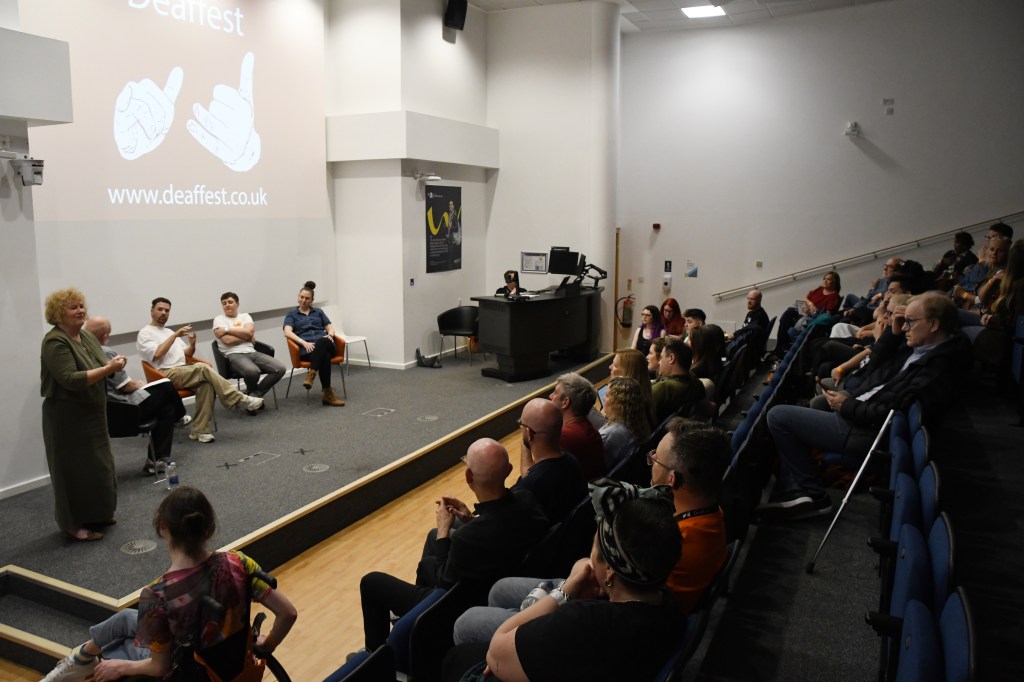
Diving straight in, the panel looked at how they make Deaf LGBTQ+ representation authentic in their work, saying how strong teamwork and appropriate language use are both important factors in helping them to feel included. They acknowledged how there are parallels with Deaf authenticity – you can simply tell if something is not real.
MJ shared how she comes from a strong Deaf family and grounding, but is not particularly visible in terms of being LGBTQ+, so she doesn’t always feel understood as an equal. “It is not just what is on screen but how you work together on an equal basis,” she explained. “People wanted to label me, but I don’t want to be put in a box. I will label myself!”
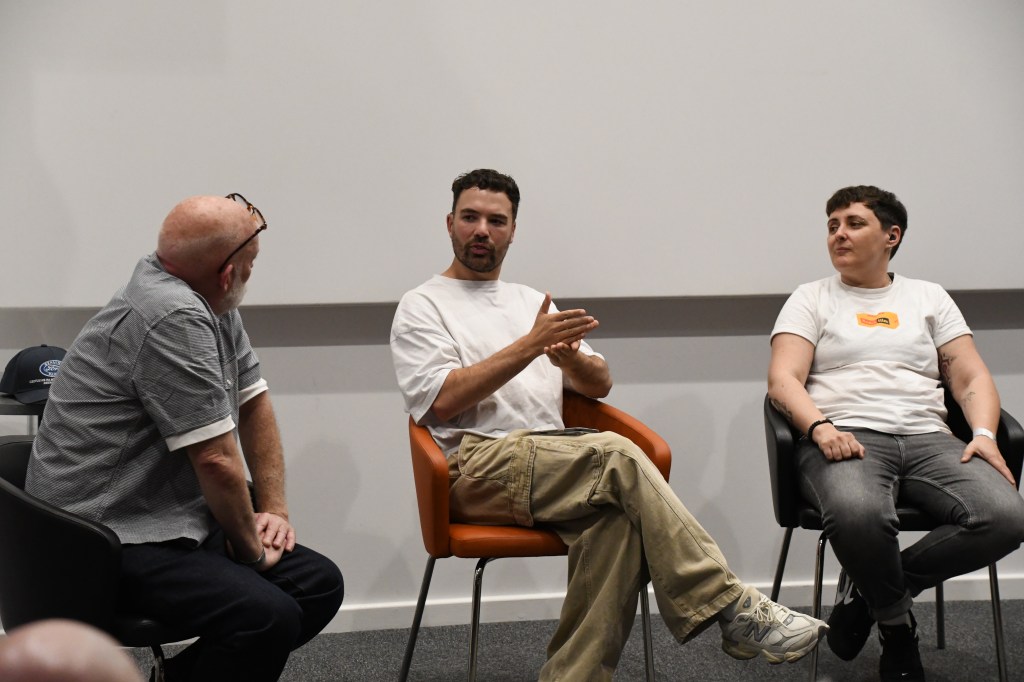
Meanwhile, Nathan came out during the Covid lockdown, and gained confidence in both his Deaf and queer identities. He explained how he had Deaf input into his Neighbours storyline, co-creating the character he played alongside the producers. As there are no deaf production companies in Australia, he is now learning how to produce and direct with hearing companies.
Looking at whether being Deaf and queer is a barrier to getting work, Teresa, who feels she is a visible queer, said she thinks bias is a barrier. “People like to work with people like themselves, so straight white men like to work with straight white men,” she said. “When you’re in a Deaf environment, you can feel isolated because you’re queer, and when you’re in a queer environment, you can feel isolated because you’re Deaf.”
So, how can Deaf queer filmmakers be better supported? One way of doing this would be for LGBTQ+ filmmakers to be more open about their sexuality, and for other people to be more supportive and inclusive.
“What does it really mean to be inclusive?” Darryl asked. “Not an afterthought!” Teresa replied firmly, explaining that producers might need to make a bit more extra effort to find people and ask them to be on board.
“We need more Deaf queer commissions.” She added. “Is there an audience? Maybe Deaf queer communities need to make more noise.”
The final panel of Deaffest 2026 was Seen on Screen: The Power of Visual Storytelling, hosted by Cathy Mager, an artist who has made three films. It saw the return of Teresa Garratty and Con Mehlum, who were joined by cinematographers Ruan Du Plessis (South Africa), Stanko Pavlica (Switzerland) and Will Clark (UK).
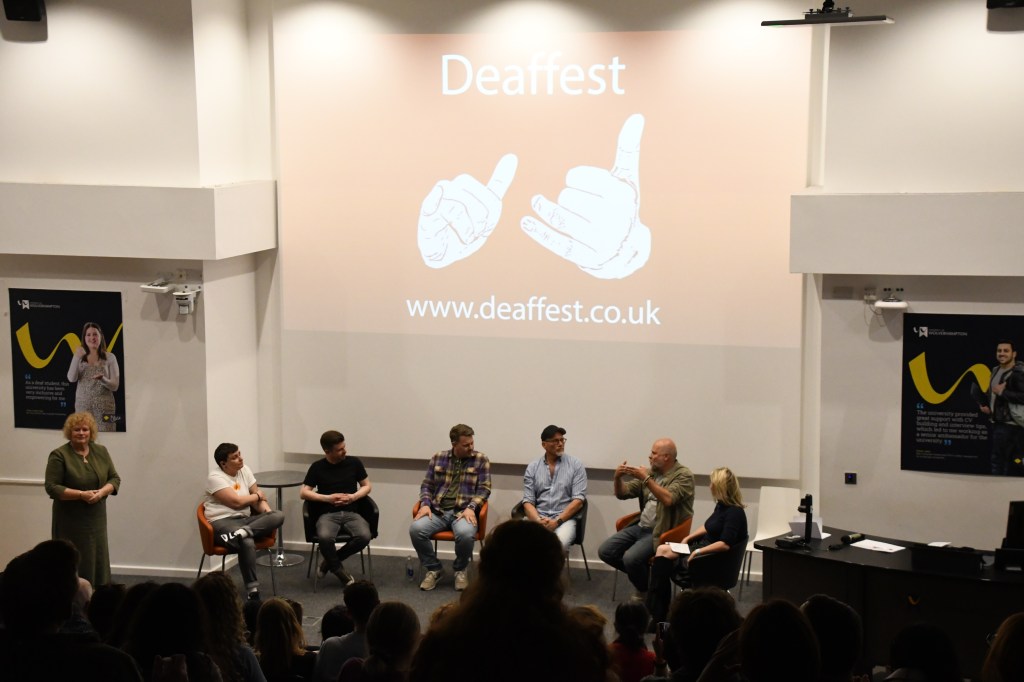
The panel’s fascinating discussion on the role of visuals and cinematography in shaping screen storytelling started off with a look at how they make things visual. They were full of brilliant ideas and techniques! Ruan uses different camera moves and light – Will agreed, saying many people don’t think about light but it is a very important factor in film.
“Space and framing holds so much visual information and helps create art,” added Stanko. “And facial expressions and signing,” said Con. Expanding the enthusiastic discussion, Teresa cited colour of clothing and other design choices, and Will concluded that film has its own meaning, but some DOPs and directors have their own distinctive visual styles.
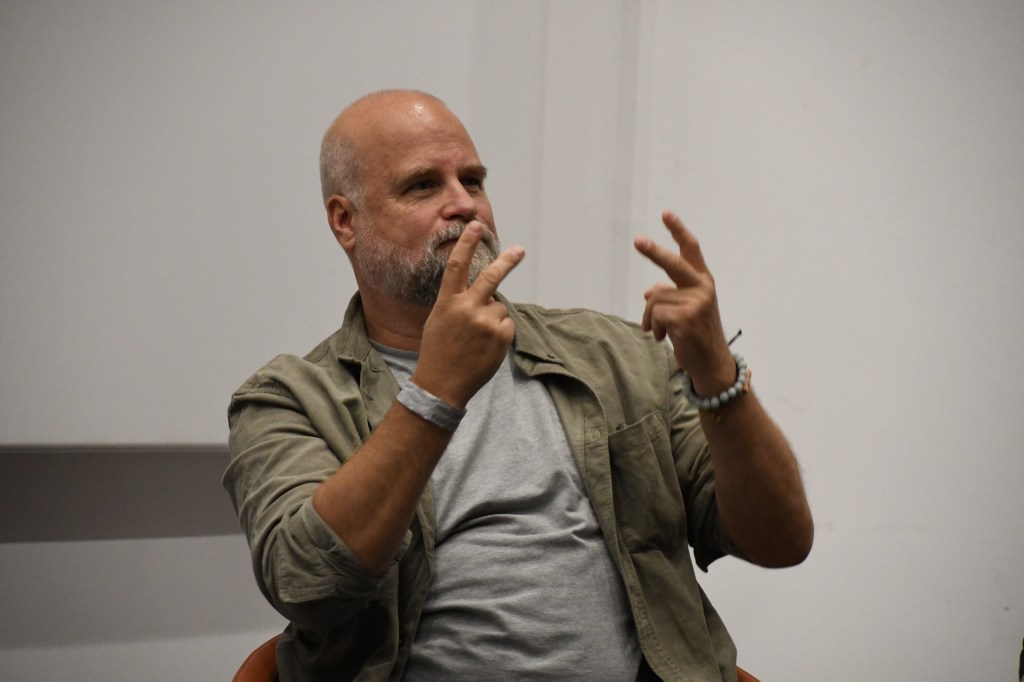
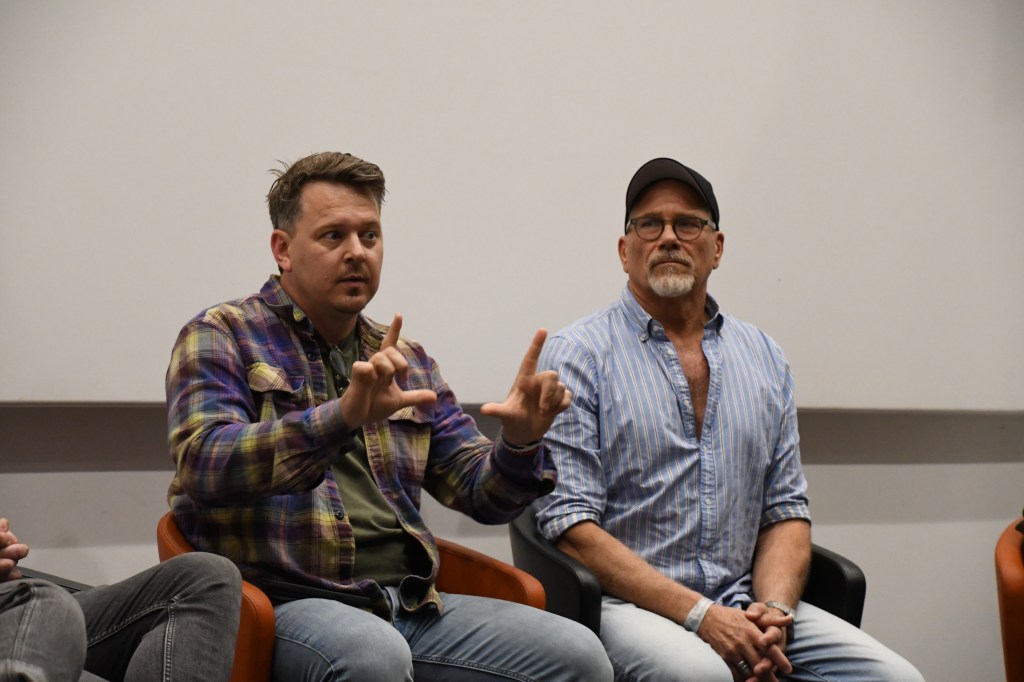
Sometimes, only subtle changes to lighting or camera movements can make a big impact, added Will. Symbolism is another factor that brings meaning to film, Ruan noted, like the kind of clothing that is worn for a funeral, for example. Drawing upon their own experiences, the panellists agreed that sometimes scripts need to be cut to make room for important visuals to a story.
The discussion turned to production issues that they may have faced when working with hearing crews. One recurring theme, said Teresa, is how hearing directors often give Deaf crew members “emotional labour”, and leave them to sort out Deaf related issues without much thought. Another regular issue is having to explain about camera angles in relation to sign language use and creativity.
Will related how sometimes hearing crew members on a non-Deaf set will bypass the Deaf DoP and ask someone else questions that really should be for the Deaf crew member. Agreeing, Stanko noted how hearing people tend to talk quickly, and Deaf are often left behind in discussions. “It has taken me years to gain their respect. I have had to fight and fight for it,” he revealed.
Finally, looking to the future and technological possibilities, it was noted that cameras now cost less, which is an exciting prospect for the future, as it makes them more accessible to budding filmmakers. Could there be a Deaf one-shot series? The panel wouldn’t rule it out – “We don’t know what exists yet!”
Whatever the future holds, it is sure to be exciting, considering all the amazing Deaf talent that is out there.
Wendy Anderson: “Deaffest was an amazing weekend. Its celebration of art, creativity and the Deaf community did not disappoint. The range of workshops, and film productions available to enjoy with tips and ideas was wonderful, together with the many stalls to visit. There’s always something new to experience. I felt a real sense of engagement and support within this festival. It is the place to be to start a career in the film industry. It was a real joy to be part of an initiative supporting deaf businesses and creators, with the added bonus of really supporting those who want to set out in the film/media/social media industry. Credit to everyone involved. I highly recommend Deaffest – I’ll be visiting again for sure!”
Evening event: Saturday 9th May
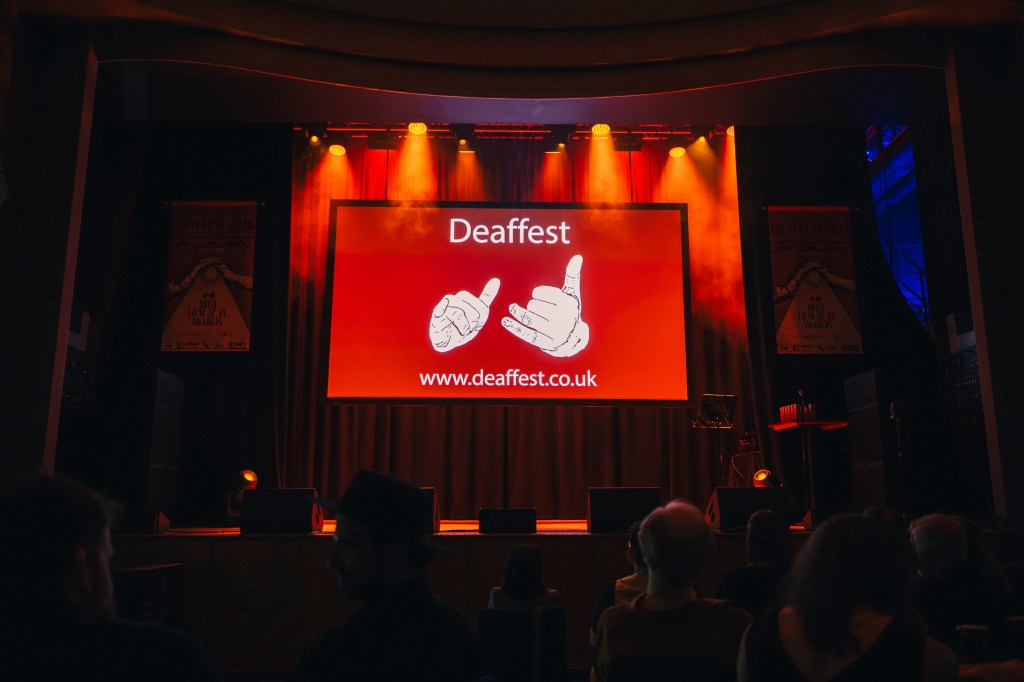
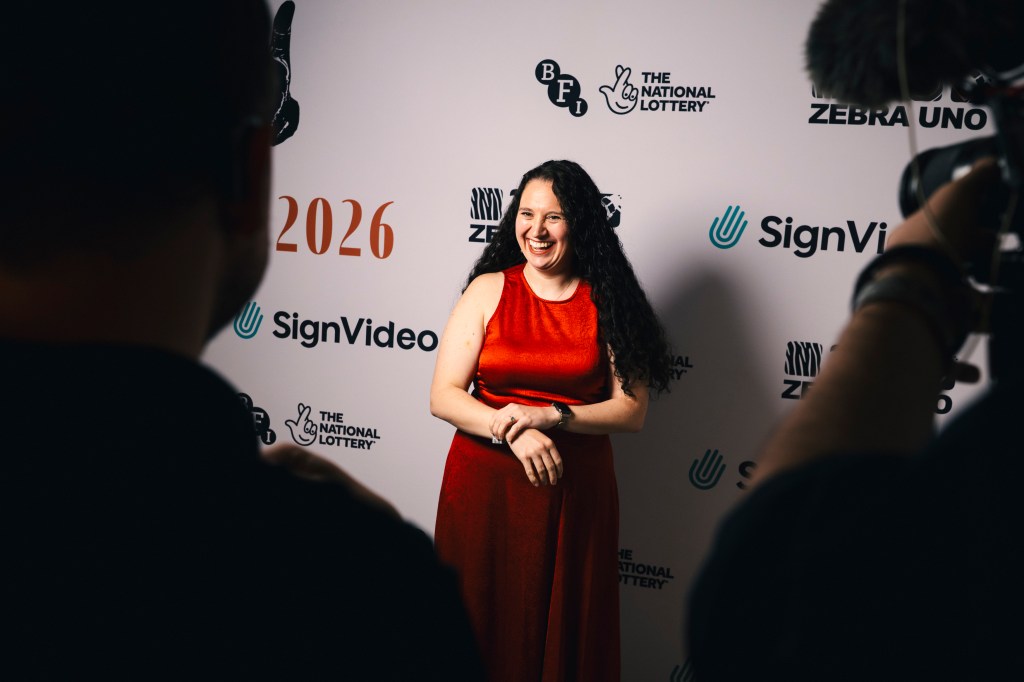
On the Saturday evening, after a break to eat and get glammed up to Sign in Style, festival goers flocked to the University of Wolverhampton’s Halls for the 10th Deaffest Film & TV Awards and Gala evening!
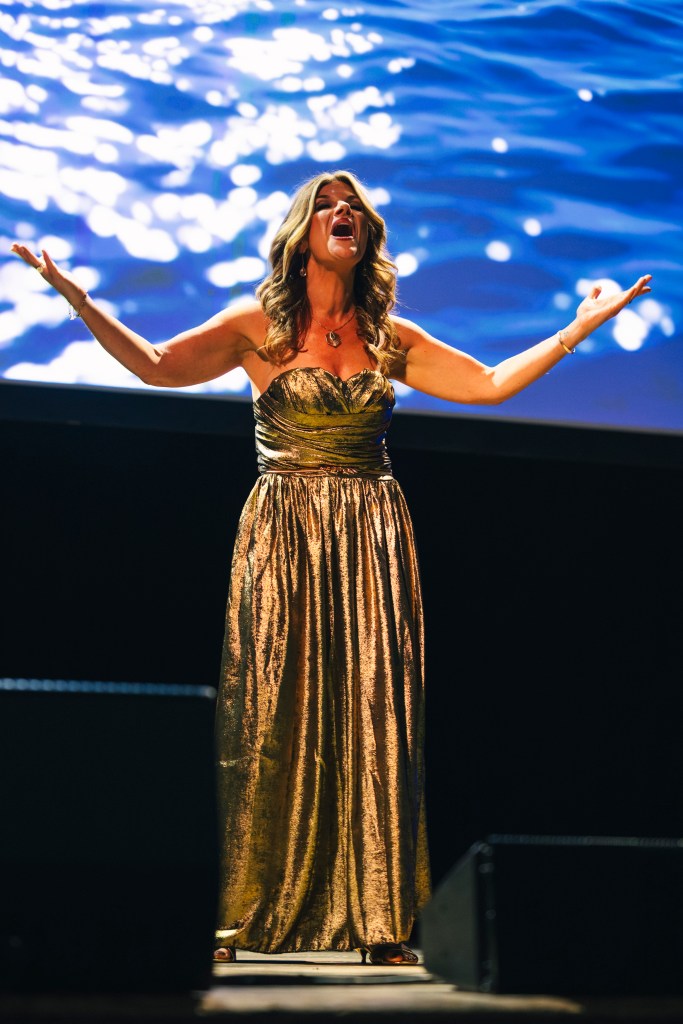
Once settled in the huge Gala hall, which was decorated with Deaffest banners hanging from the roof, Harry Potter-style, the show was opened by Deaffest’s very own Nikki Stratton who performed an emotional signed rendition of Celine Dion’s My Heart Will Go On. After much applause, Nikki dedicated the song to her late parents and sister, thanking her husband and friends for their support.
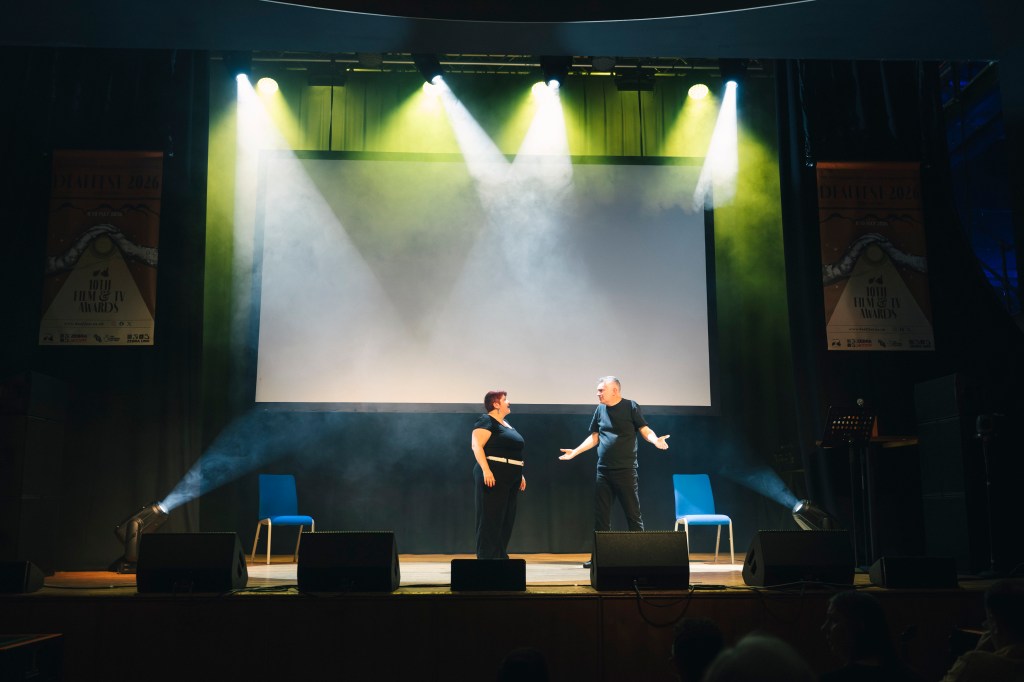
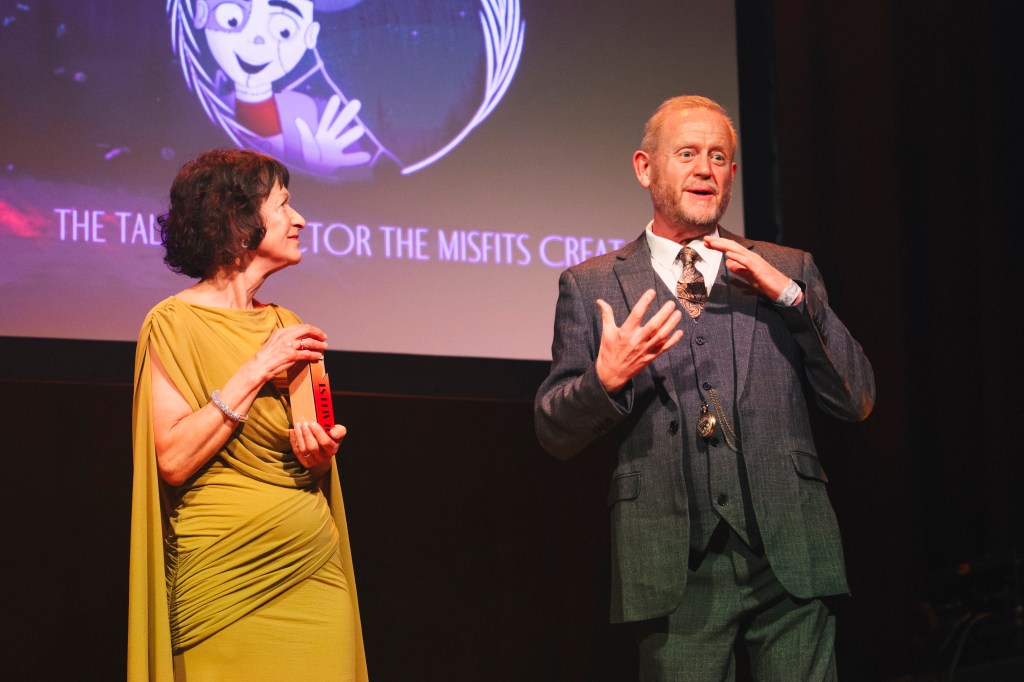
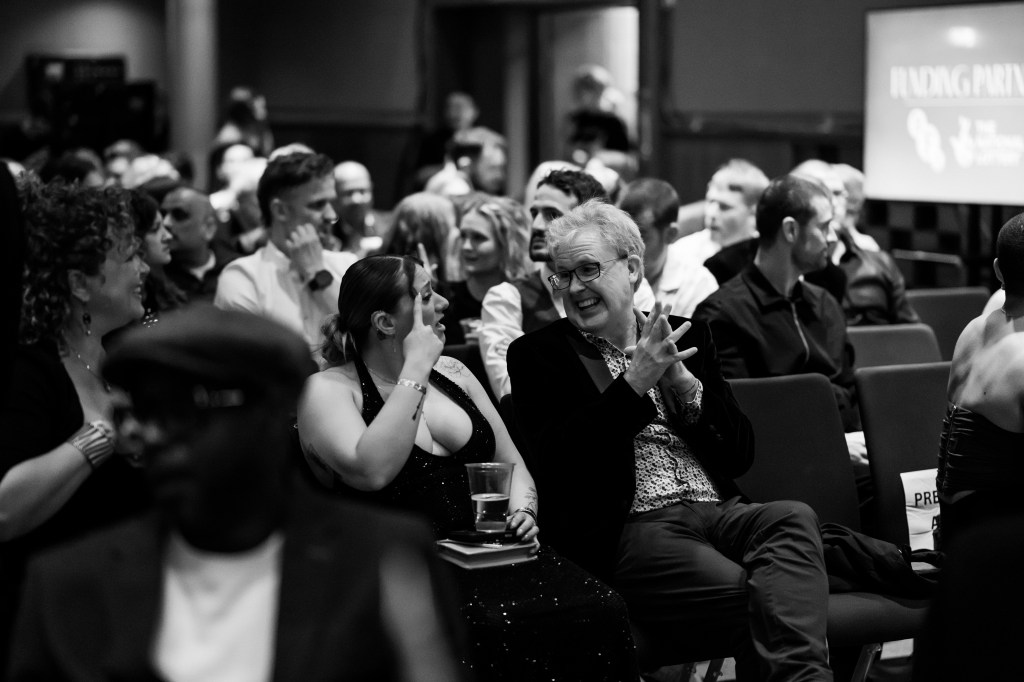
Her Deaffest co-director, Marilyn Willrich, joined via video and between them, the pair welcomed everyone to their 10th awards ceremony. The stage then went to the MCs for the evening, actor Jean St Clair and comedian John Smith, who both won awards at Deaffest 2024 for their outstanding contributions to Deaf entertainment over the years. Jean and John looked every inch the stars and their banter, complete with pensioner jokes, kept everyone laughing!
A special mention must go to Norwegian film Salt&Pepper, which broke a Deaffest record by being nominated for six of the 11 categories!
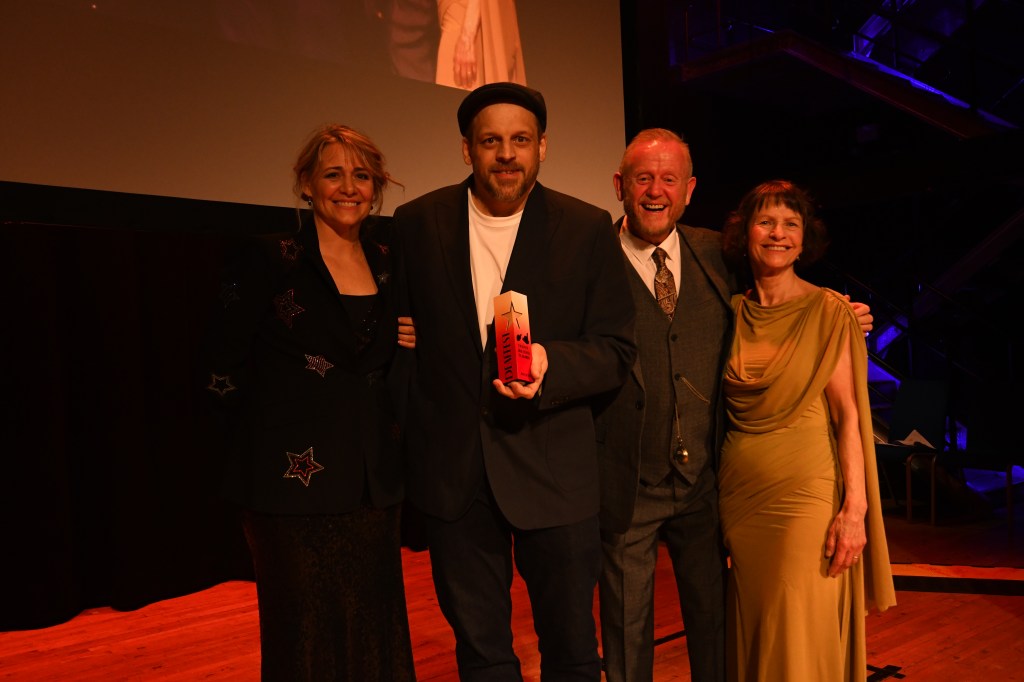
The first award, Best Artistic Short Film, was won by A Love Letter to the Light, picked up by its director, MJ Kiego, who could not stop smiling and said “I’m so honoured to win.” Councillor Craig Collingswood, The Right Worshipful the Mayor of Wolverhampton, who presented the award, acknowledged how her work “pushes boundaries.”
Next up was the Best Actor award, which was presented to Matthew Gurney for his role in Reunion by Deanne Bray, the American actress, writer and director. Modest as ever, Matthew paid tribute to director Luke Snellin and his co-star Lara Peake, and dedicated his award to Reunion’s writer, William Mager; “This only happened because of one person, William Mager… he brought every one of us in the huge crew together. I am indebted to him and I dedicate this award to him.”
The Best Actress award was presented to Henrianna Jansen for her role in Beyond Silence by lifestyle content creator Nathan Rollinson. A jubilant Henrianna told the audience how she had applied and applied for many other roles but had been turned down – and then she landed the role of Eva in Beyond Silence, her first ever film – and won this award!
Nikki Stratton returned to the stage to present the Best Short Documentary award, which was won by Turn Up the Bass, directed by Ted Evans. Unfortunately, the production team were unable to attend so arrangements will be made to get their award to them. Nikki explained that Best Short Documentary is a new category at Deaffest because so many factual films were submitted this year, so this new category was created so that two awards could be presented.
Next, the Best Screenwriter Award went to William Mager for Reunion. Presented by producer Aimee Campbell-Nottage, it was collected by William’s wife Cathy, and Matthew Gurney. Via a video, a thrilled William thanked Deaffest and said “Deaffest is where my journey started a long time ago.”
Another new category for 2026, the Best Cinematographer Award was presented to Stanko Pavlica for Salt & Pepper, by Michel Gonzalez, Director of Film’Ô Festival (who got rather excited because it was his first Deaffest and his first visit to England!). An overcome Stanko, who has been working as a filmmaker for over 20 years, said, “It has been a long slog, and here I am winning an award. Thank you.”
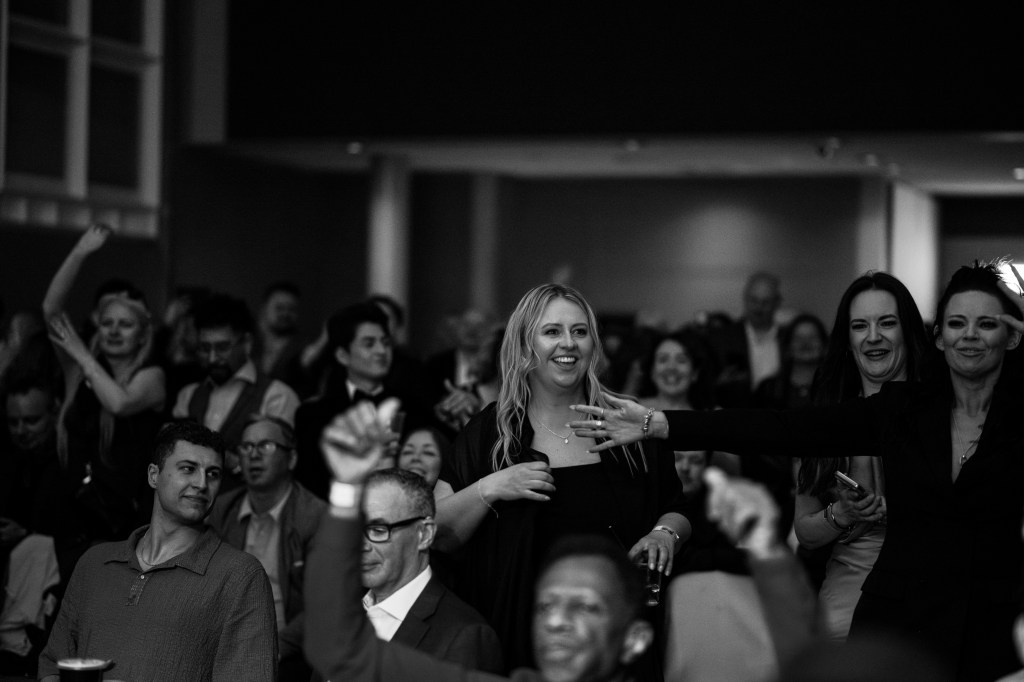
The Best International Short Film Award went to Serendipity by Sofia, presented by Philip Gerard, Chief Executive of Deaf Action and Founder of the Edinburgh Deaf Festival. Picking up the award, the film’s director Audrey Sangla thanked her three colleagues who stood grinning beside her: “Without them, this film wouldn’t be possible.” She then thanked Nikki and Marilyn, adding “As women, you both deeply inspire the woman I am today. Thank you from the bottom of my heart. I’d also love to see everyone celebrating women working in cinema. There are still far too few of us and we need more women in this industry. To women!” Naturally, there was a standing ovation.
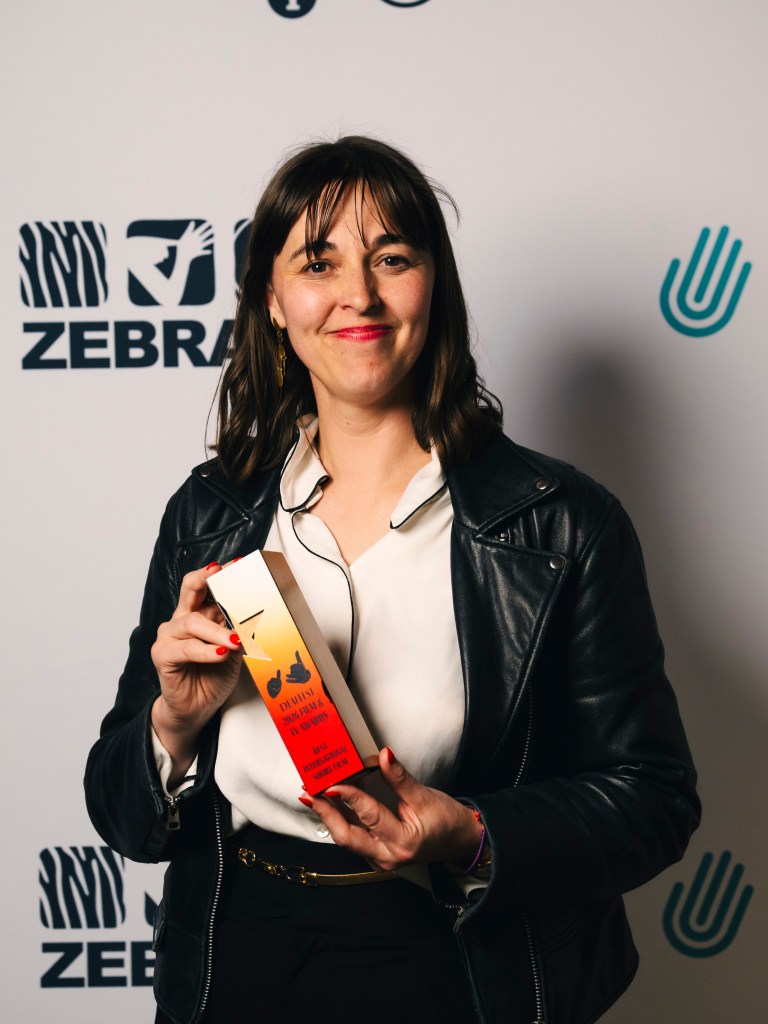
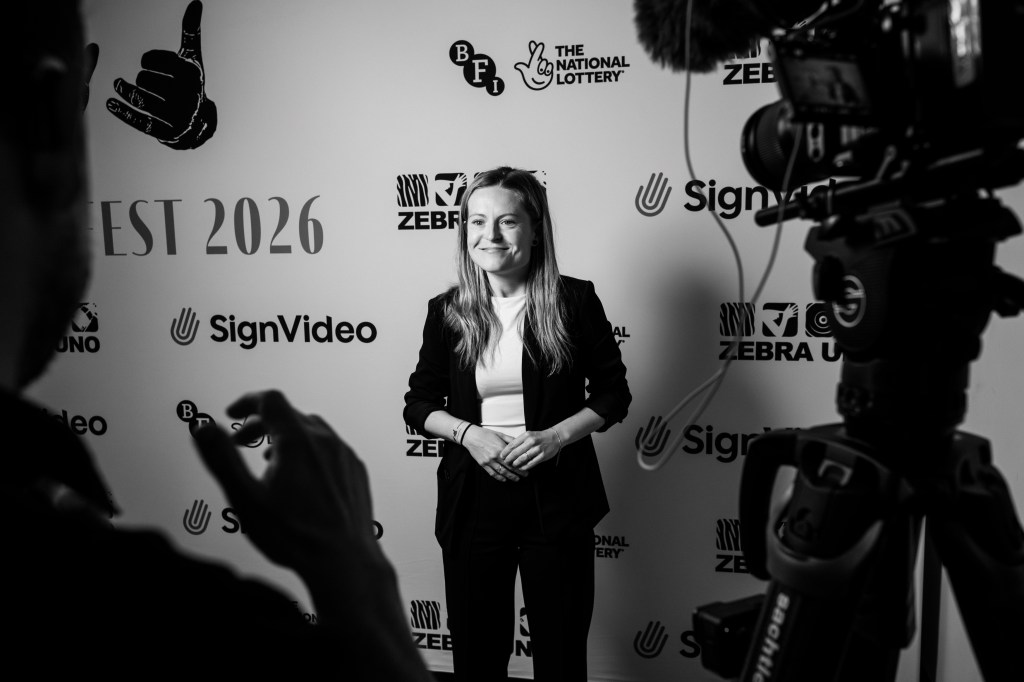
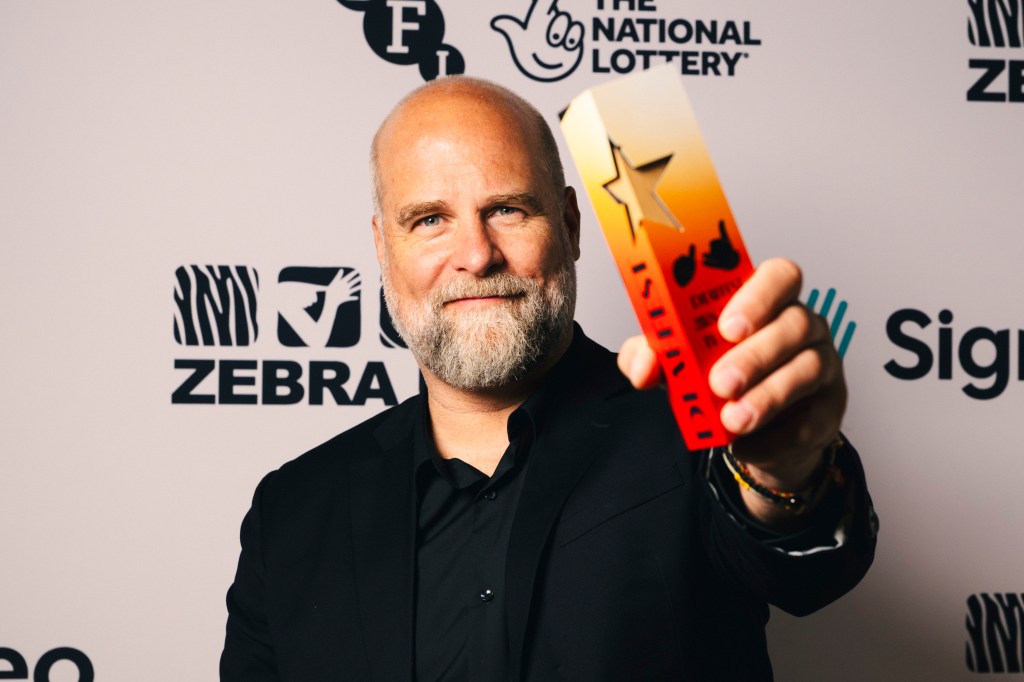
Next up was the Best UK Short Film award, which was presented to Deliverance by filmmaker and director Alexandra Hickox. Director of the film Bim Ajadi seemed very taken aback at the news, and said, “This film is a really personal story about African culture that many people don’t know about. Many thanks to BFI and Deaffest for your support.”
Bim needn’t have returned to his seat, because he was soon summoned back to the stage to pick up Best Director, also for Deliverance! This award was presented by CODA Bhulla Beghal, the RTS award-winning writer and founder of Bluebell Films. Ever humble, Bim returned to the stage in disbelief; “I really, really didn’t expect this. I’m lost for words,” he said.
The penultimate award of the night, Best Documentary, went to Marlee Matlin: Not Alone Anymore, announced by Yvonne Cobb, the presenter, cook and Deaf advocate. Director Shoshannah Stern could not attend but gave her thanks on video; “On behalf of the crew and Marlee herself, we express our deep gratitude for this honour.”
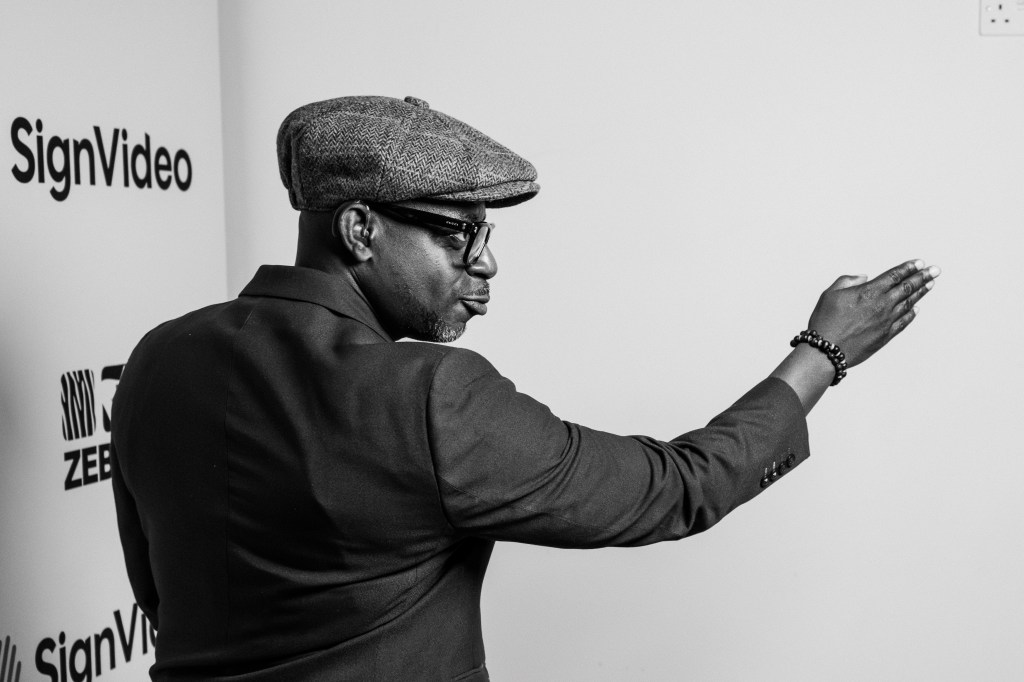
Finally, the hotly contested Best Film award was presented to Retreat by Martin Robertson, Head of Consumer Sales at SignVideo, Deaffest’s headline sponsor. One of the film’s producers, Michelle Stein, picked up the award and read out a speech on behalf of its director, Ted Evans, giving thanks to Deaffest for supporting the team to make an earlier version of the film for our community [via the Ben Steiner Bursary], which contributed to the development of the feature film.
Deepa Shastri: “What an international affair Deaffest was this year, showcasing both established and emerging talent from UK and overseas on the entertainment stage across both nights. The entire weekend was packed with activities where I learned about the process of visual storytelling on screen, sign songs, and how to create your own social media content and brand. I also managed to catch some films that either spooked me or had me crying with laughter! It was wonderful to connect with local, national, and international creatives, as well as like-minded people, into the early hours of the morning. Well done to the Deaffest team for another memorable weekend, and congratulations to all the nominees and winners. I’ll definitely be back!”
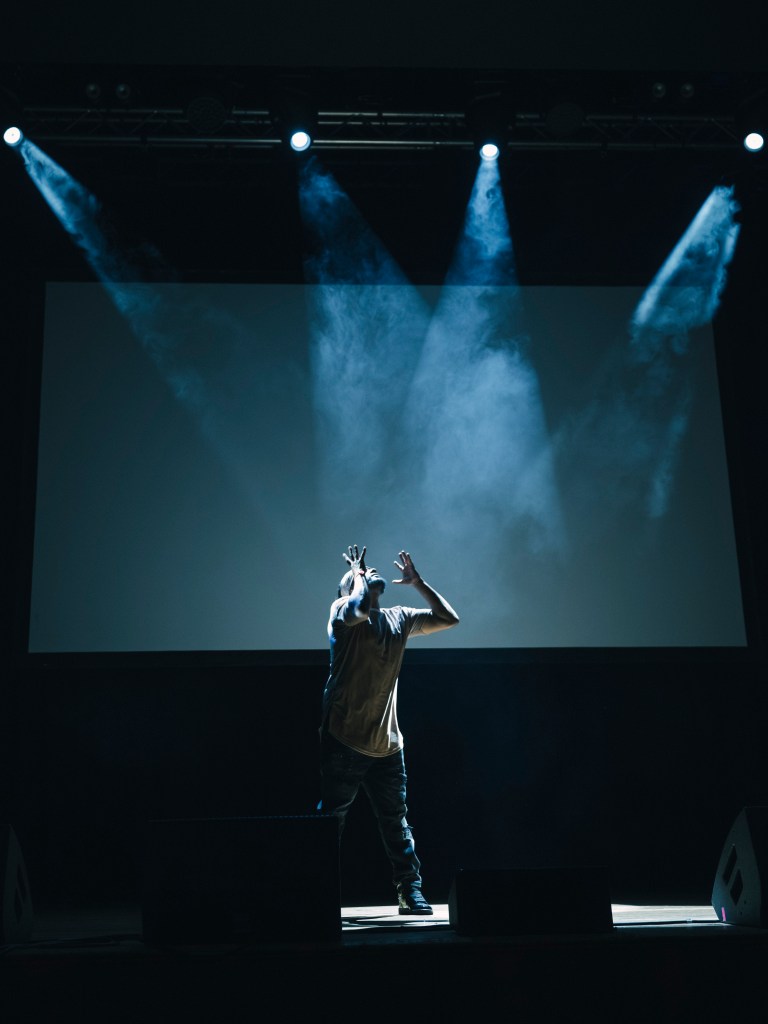
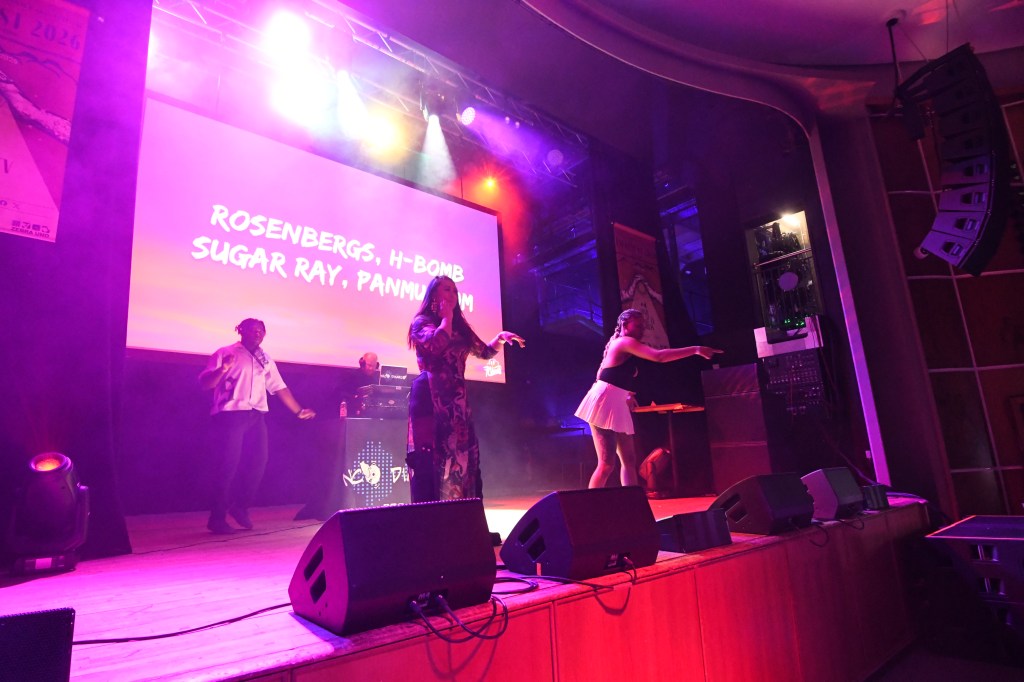
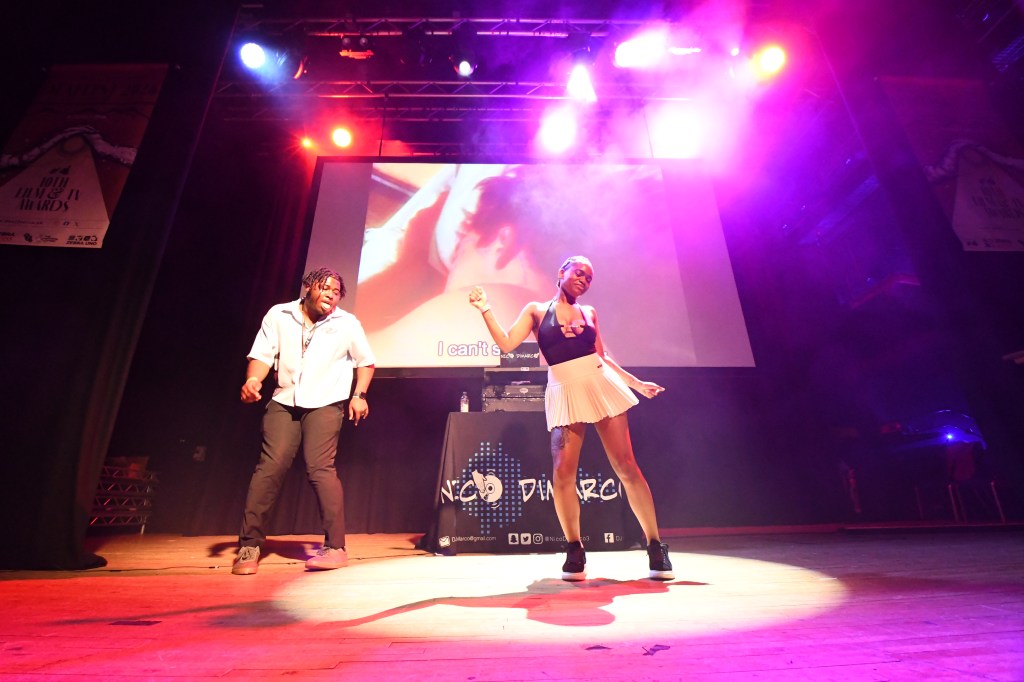
Throughout the night, the Gala audience was treated to spectacular performances by an array of Deaf talent. Frank and Roshan Singh’s mesmerising hip hop dancing and Jayden Reid’s signed songs all went down very well. As well as their sparkling solo VV performances, Iain Scott-Burdon and Julia Pelhate performed The Western Story with incredible timing. Towards the end, VinzSlam’s fierce rapping to Eminem’s Lose Yourself got everyone dancing!
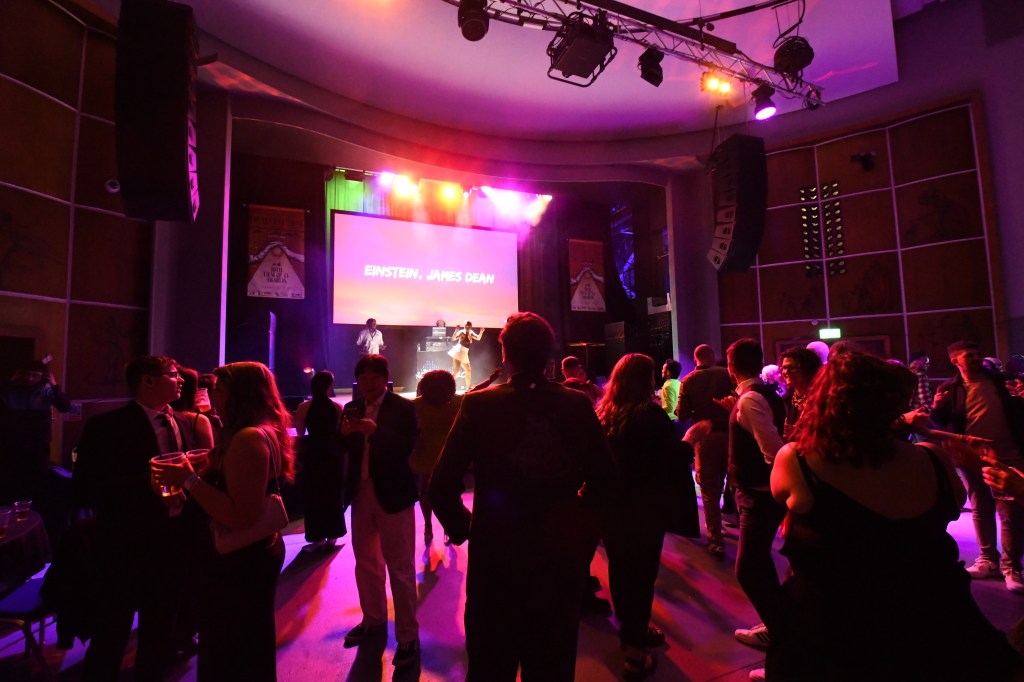
After the awards had finished, the Gala hall was turned into a dancefloor and DJ Nico DiMarco was joined by various Deaf dancers to party into the small hours.
After more screenings of exciting new Deaf films at the Lockworks on Sunday 10th May, another Deaffest came to a close. We’re already looking forward to the next edition!
A big thank you to Jen Dodds, Event Coverage for Deaffest, for the news above. Special thanks also go to photographers Charlie Swinbourne, Grant Peddie, and Willow Photography Ltd for the images above.
View more photos on Deaffest’s Flickr and check out the videos here!
None of this would have been possible without the valuable support of our partners and sponsors. You can see the full list on this page.


