We’re thrilled to announce that Deaffest has been named a winner in the SME News Midlands Enterprise Awards 2026, taking home two fantastic honours:
Excellence in Deaf Community Support 2026
Best Deaf-led Arts Festival 2026
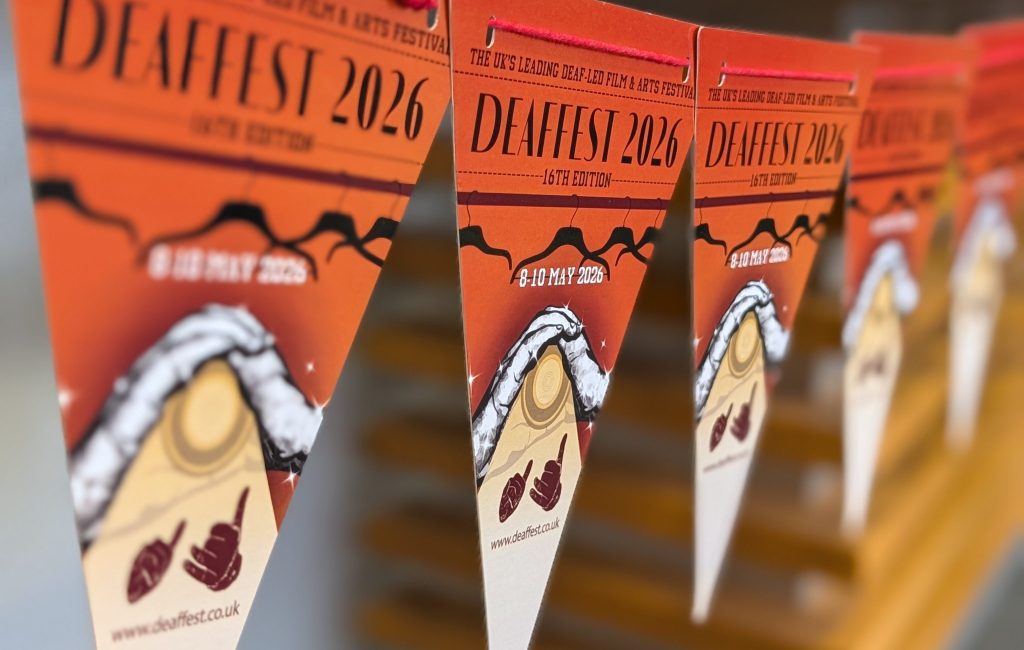
Deaffest, hosted by Zebra Access CIO and delivered by Zebra Uno Ltd, is the UK’s leading Deaf-led Film & Arts Festival.. The biennial Wolverhampton-based festival supports, develops, and showcases the talents of both emerging and established D/deaf filmmakers, artists, and creatives from the UK and around the world.
Through its wide array of events, Deaffest plays a vital role in preserving Deaf culture, heritage, and sign languages from across the globe, including British Sign Language (BSL), through film and the arts. It highlights the richness and diversity of Deaf culture, offering a platform for D/deaf creatives to share their stories, knowledge, and lived experiences. In doing so, Deaffest provides inspiration, education, and empowerment for future generations of D/deaf individuals.
Deaffest is recognised for its influential role in promoting Deaf culture and drawing attention to the challenges D/deaf individuals face within the creative sectors. By fostering a deeper global understanding and appreciation of Deaf culture, the festival ensures that D/deaf creatives and audiences have equal access to cultural experiences. It also connects creatives, encouraging opportunity, collaboration, and career development.
As a winner at the Midlands Enterprise Awards 2026, this recognition highlights Deaffest’s contribution to cultural enterprise, innovation, and inclusion. Beyond its cultural impact, Deaffest contributes to the creative economy of the Midlands by supporting skills development, nurturing new talent, and strengthening pathways into film, television, and the wider creative industries, while also raising awareness of Deaf culture among broader audiences and encouraging greater inclusion across society. The festival’s continued growth reflects its strong partnerships with organisations, educational institutions, and media professionals committed to equality and representation.
Now in its 20th year, the internationally recognised Deaf Film & Arts Festival will return to Wolverhampton in 2028 for its 17th edition and 11th Film & TV Awards. Deaffest 2028 will feature subtitled premieres and screenings, a stalls fair, workshops, panel discussions, performances, networking opportunities, and virtual streaming via the Deaffest Online Cinema.
A huge thank you to everyone who makes Deaffest what it is – our filmmakers, artists, creatives, audiences, partners, volunteers and supporters. This one’s for the whole Deaffest family.
I had the privilege of being invited to present at the world-renowned Clin d’Oeil Festival in Reims, France, to share more than two decades of experience with Deaf filmmakers from the UK and across the world. Presenting in International Sign – something I continue to develop added another challenge, but one that reflected the spirit of the event: collaboration, learning and ambition enabling the international Deaf audience to listen to my story.
Today, Deaffest is internationally recognised for championing Deaf talent and, with support from the British Film Institute (BFI), continues to provide a platform for filmmakers pushing creative boundaries. The progress made over the past two decades has been significant, with Deaf creatives increasingly producing ambitious work capable of reaching mainstream audiences.
My presentation, Taking Deaf Creatives’ Films to the Next Level, drew on over 20 years as Co-founder and Festival Director of Deaffest. Since its launch in 2006, Deaffest has grown into one of the world’s leading Deaf-led film festivals, showcasing hundreds of productions from around the globe and working in partnership with organisations including the British Film Institute (BFI). Watching the evolution of Deaf cinema over that time has offered a unique perspective on how far the industry has come and where it can go next.
The landscape for Deaf filmmakers has changed dramatically. Greater industry recognition, increased funding opportunities and the growth of streaming platforms have opened doors that were once unimaginable. Yet with these opportunities comes a challenge: how do Deaf creatives move from producing successful festival films to creating ambitious, commercially viable productions capable of reaching global audiences?
That question formed the heart of my presentation.
The session explored what it takes to elevate Deaf films beyond the festival circuit and onto larger national and international platforms. Discussions focused on the key ingredients for success, including compelling storytelling, authentic casting, strong creative direction, financing, marketing, accessibility, distribution, and long-term sustainability. Funding increasingly relies on combining multiple investment sources, while advances in AI and virtual production are creating new opportunities for independent filmmakers to produce ambitious work more efficiently. Alongside practical guidance on securing finance through organisations such as the BFI, broadcasters, private investors and streaming platforms.
Storytelling remains at the heart of every successful production. While films exploring audism, discrimination and communication barriers remain important, I encouraged filmmakers to think beyond familiar themes and ask themselves: What story can I tell that the world has never seen before? Original ideas, ambitious concepts and visual innovation have the power to redefine how Deaf stories are told.
Authenticity remains central to that ambition. Deaf actors, directors and sign language consultants bring cultural knowledge and lived experience that strengthen every stage of production. At the same time, filmmakers must continue exploring new visual storytelling techniques that reflect how Deaf people experience the world, rather than simply adapting hearing-centred filmmaking conventions.
With more platforms than ever showcasing visible Deaf Stories from Deaf-led productions – including the UK and world’s only Sign Language channel LumoTV, Apple TV+, the BBC and independent feature films – the opportunities for Deaf filmmakers continue to expand. Productions such as CODA,Deaf President Now!, Reunion and Retreat demonstrate the growing recognition of authentic Deaf storytelling and the importance of professional production values combined with strong industry partnerships.
The next chapter of Deaf filmmaking is no longer about gaining a seat at the table. It is about leading the conversation and shaping the future of cinema through bold storytelling, authentic representation and creative leadership.